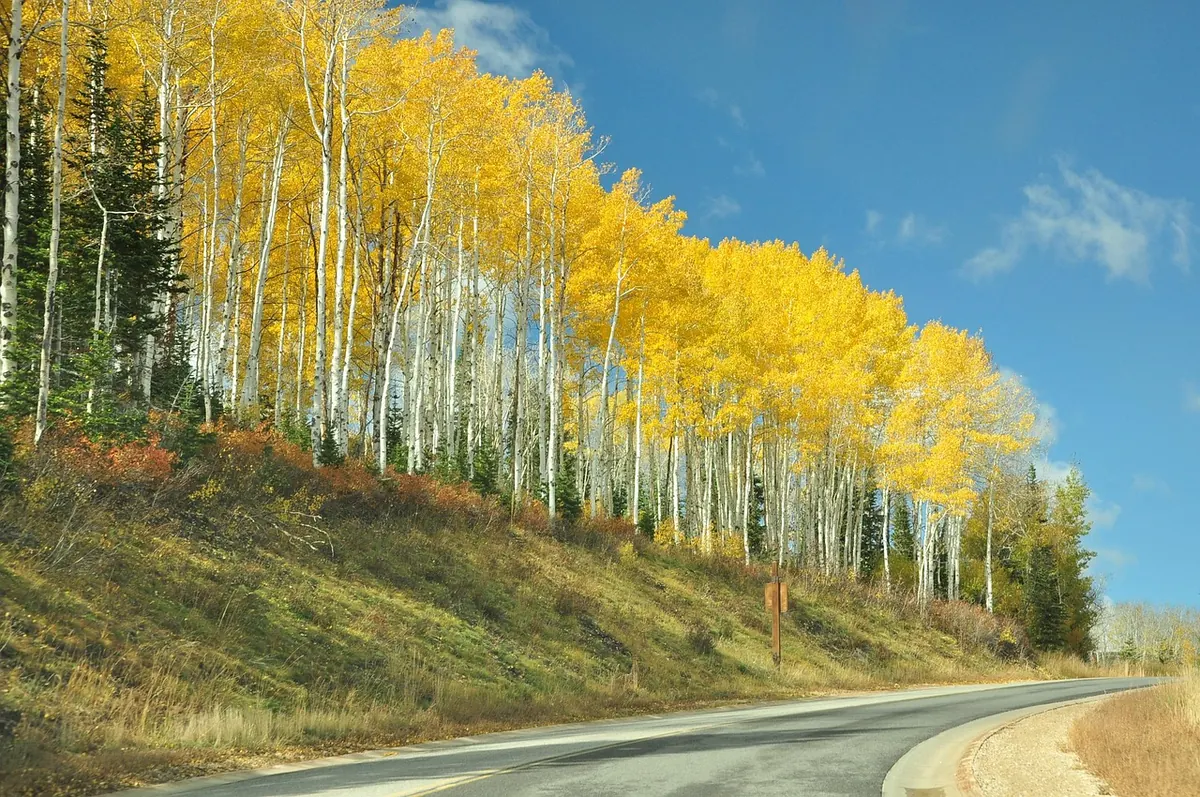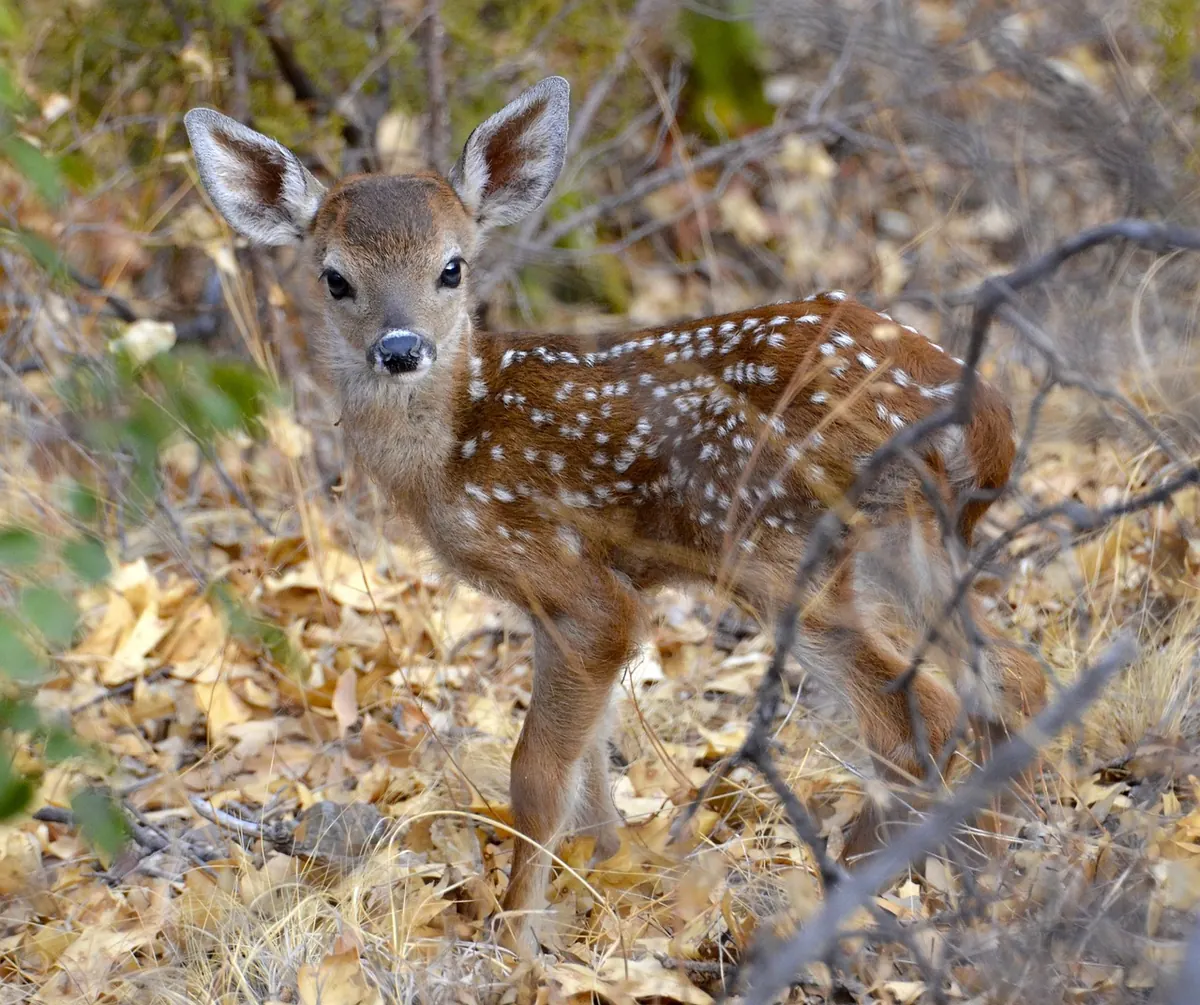

Aspen is one of those trees that quietly holds a landscape together. You might spot it on a Scottish hillside, trembling in the slightest breeze, or find a few pale trunks tucked into a Welsh gorge where the soil stays damp. It rarely dominates a wood. It appears in patches, often on the edge of things, and yet the wildlife that depends on it is disproportionately rich.
Part of that richness comes from rarity. Aspen has become scattered across Britain, and where a tree is scarce, the species that evolved alongside it become scarce too. The other part is simpler: aspen is a genuinely good host. Its leaves, bark, wood and even the fungi that colonise its decaying trunks feed a long list of creatures, from tiny leaf beetles to bats hunting at dusk.
Why aspen is unusual in Britain
Aspen (Populus tremula) is a poplar, and like many poplars it spreads readily by root suckers. A single tree can send up new shoots from its roots, producing a cluster of genetically identical stems. In parts of Scotland and the Highlands this creates loose groves that look like separate trees but are really one organism. That matters ecologically, because a grove can persist for a very long time even if seed production is poor.
Seed production is indeed unreliable in Britain. Aspen seed is short-lived and needs bare, damp ground to germinate. Grazing pressure from deer and sheep removes much of that opportunity. So aspen often survives as these clonal patches, isolated from one another, which limits genetic mixing and makes the tree vulnerable to being lost from a locality altogether.
The insects that cannot do without it
For invertebrates, aspen is a specialist's tree. Several species in Britain are strongly associated with it, and a few are found on almost nothing else. The aspen leaf beetle is a good example: a small, metallic-looking beetle that chews characteristic holes in the leaves. Look for leaves with irregular windowpane damage in late spring and early summer and you may find the culprit nearby.
Aspen is also a host for a group of moths and sawflies that feed on poplar foliage. The caterpillars of several puss moths and prominent moths use aspen among their foodplants, and the larvae of some leaf-mining moths tunnel inside the leaves themselves, leaving winding trails visible when held up to the light.
- Aspen leaf beetle — feeds on foliage, leaving neat holes and notches.
- Poplar hawk-moth — large caterpillars that will use aspen as a foodplant.
- Sawfly larvae — often gregarious, stripping leaves in patches.
- Leaf-mining moths — larvae inside the leaf, creating visible galleries.
- Aphids and their predators — a food source for ladybirds, hoverflies and lacewings.
That last point is worth dwelling on. Aphids on aspen draw in predators, and those predators in turn become food for nesting birds. A single clonal grove can therefore function as a small insect factory, feeding the food web above it.
Birds, bats and the value of a trembling canopy
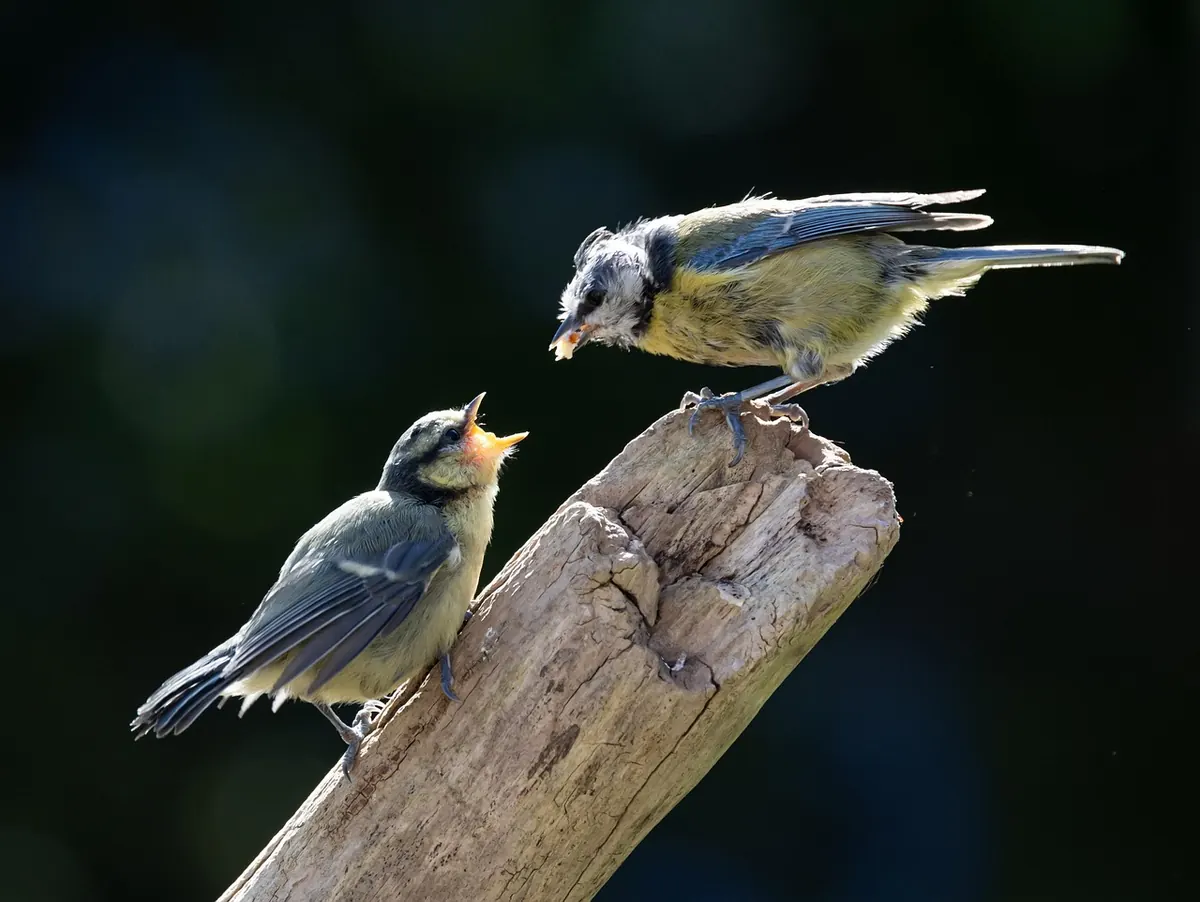
Aspen catkins open early, before most other trees are in leaf, and they attract insects at a time when little else is available. For early-flying bees and hoverflies, that is a genuine lifeline. For birds, the benefit is indirect but real: more insects means more food for chicks in spring.
The tree's structure helps too. Aspen leaves have flattened stalks, so they flutter in even a light breeze. That movement makes insects harder for predators to find, but it also creates dappled light and a shifting canopy that suits certain woodland birds. Older aspen with dead limbs and hollows offer nesting opportunities for tits, redstarts and other cavity nesters, while the soft, decaying wood is easy for woodpeckers to excavate.
Where aspen grows old and is allowed to decay in place, it becomes a habitat in its own right — not just a tree, but a slow, standing reservoir of deadwood life.
Lichens, mosses and the bark habitat
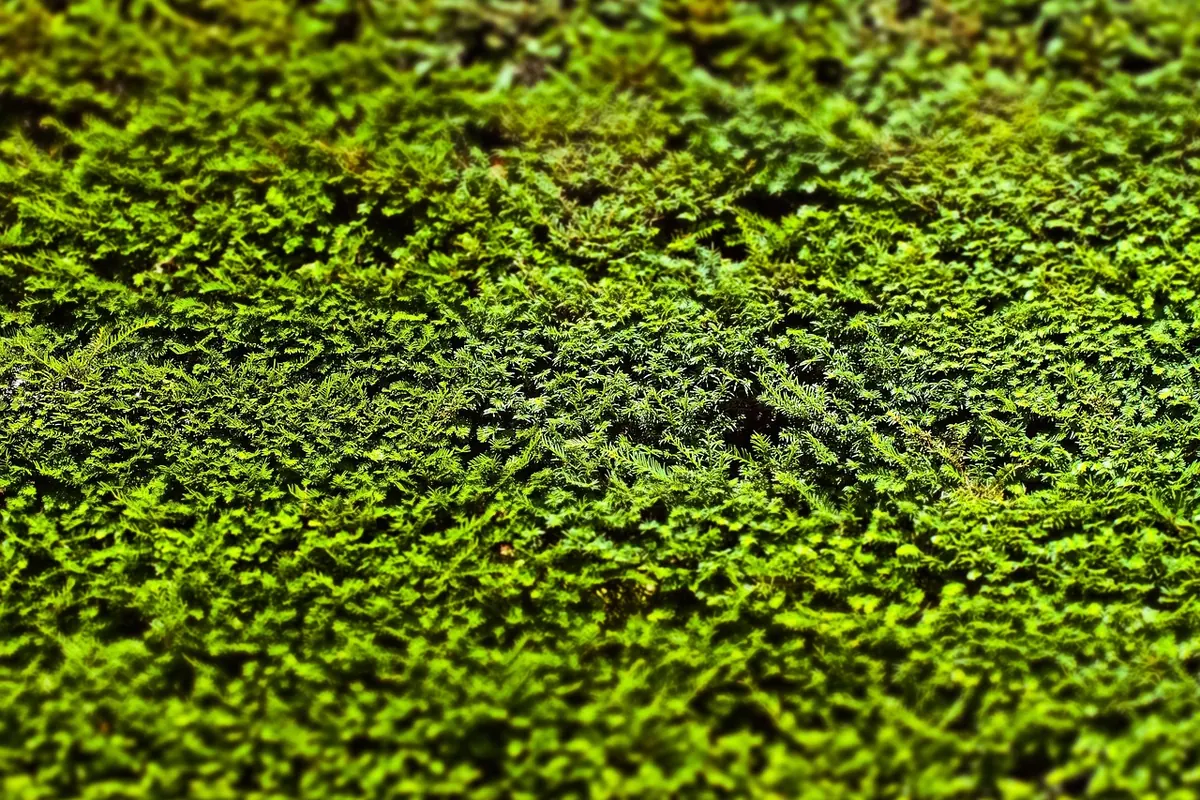
Aspen bark is smooth and relatively nutrient-rich, and it stays damp for longer than the bark of many trees. That makes it a favoured surface for lichens and mosses. In western Britain, where the air is clean and humid, aspen trunks can carry a noticeable lichen flora, including species that are uncommon on other broadleaves.
This is where aspen's role becomes subtle but important. Lichens are sensitive to air quality and to disturbance, so a tree that supports a good lichen community tells you something about the local environment. Aspen groves in damp, sheltered places — ravines, stream sides, upland flushes — tend to be the richest. Protecting those groves protects the lichens with them.
Deadwood: the part most people miss
Fallen aspen is as valuable as living aspen, arguably more so. As the wood decays, it passes through stages, and each stage suits different invertebrates. Freshly fallen trunks attract bark beetles and wood-boring larvae. As the wood softens, it supports flies, beetles and the larvae of some hoverflies that live in wet, rotting timber. Later still, fungal fruiting bodies appear, and those feed beetles, slugs and small mammals.
Standing dead aspen is especially valuable. A dead trunk left upright holds moisture differently from one on the ground, and it offers the kind of decaying heartwood that many saproxylic invertebrates need. If you manage a wood or a patch of ground with aspen, leaving some dead wood in place — standing and fallen — is one of the most effective things you can do for wildlife.
Practical steps for aspen-friendly management
- Allow clonal groves to spread naturally where grazing pressure permits, rather than isolating single stems.
- Leave dead and dying aspen standing wherever it is safe to do so.
- Retain fallen timber in damp, shaded spots instead of tidying it away.
- Avoid clearing aspen from stream sides and gullies, where it supports the richest lichen communities.
- If planting, use local provenance stock and protect young suckers from browsing until they are established.
What to look for on your next walk
Aspen rewards close attention. Check the leaves for feeding damage and leaf mines. Look at the bark for lichens and mosses, and note whether the trunk is smooth and pale or furrowed and old. Listen for the rustle — aspen is often heard before it is seen. If you find a grove with deadwood nearby, you have found a small but genuinely important piece of British wildlife habitat.
Conserving aspen is not about planting vast new forests. It is about recognising the tree where it already grows, letting it age, and leaving the deadwood alone. Do that, and the insects, birds and lichens that depend on it will follow.
Photo: TheOtherKev / Pixabay