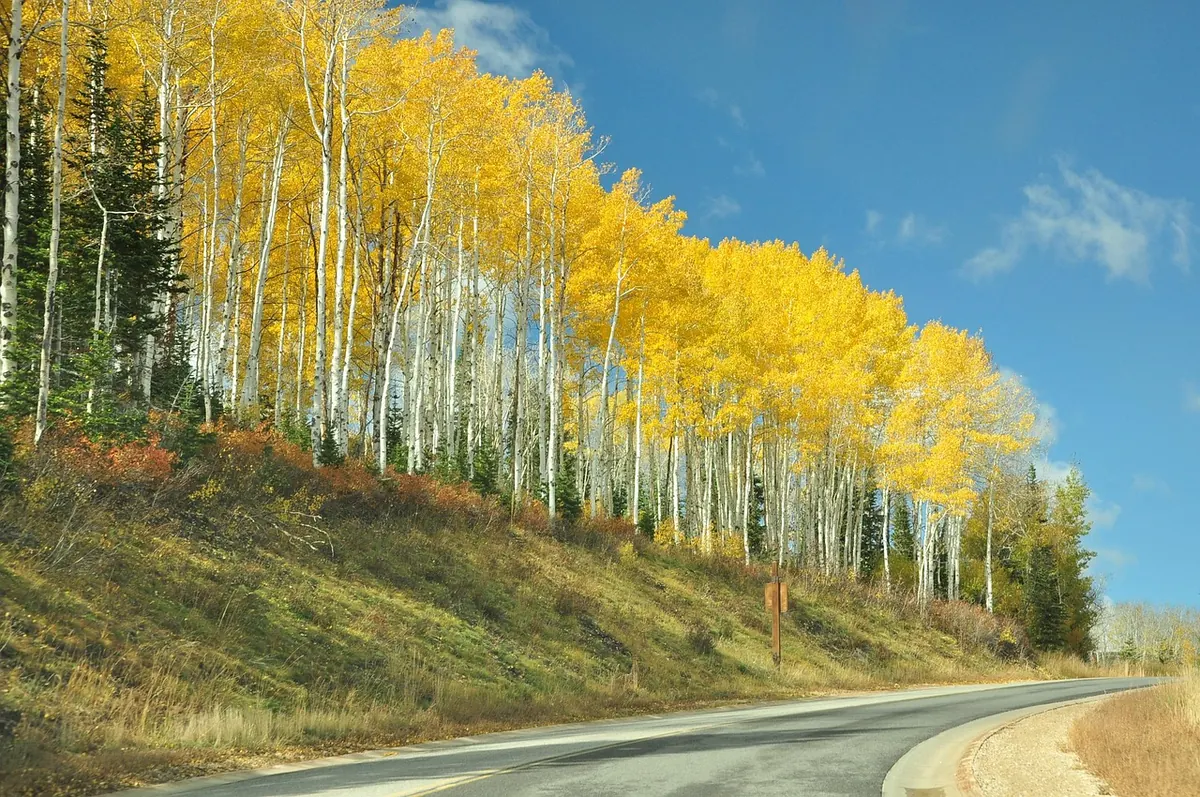

Aspen has a stubborn streak. Ask it to grow from a stem cutting and it will often sit there, sulk, and die. Offer it a section of root instead and it will push up shoots as though that had been the plan all along. That quirk is the key to propagating Populus tremula at home, and once you know it, raising your own trees from a single piece of root becomes a straightforward late-winter job.
Why root cuttings are the reliable route
Aspens spread in the wild by suckering. A stand that looks like a hundred separate trees is often one organism connected by a network of shallow roots, each capable of throwing up new shoots. Those dormant buds on the roots are the tree's own propagation method, so working with root sections simply follows the grain of the plant.
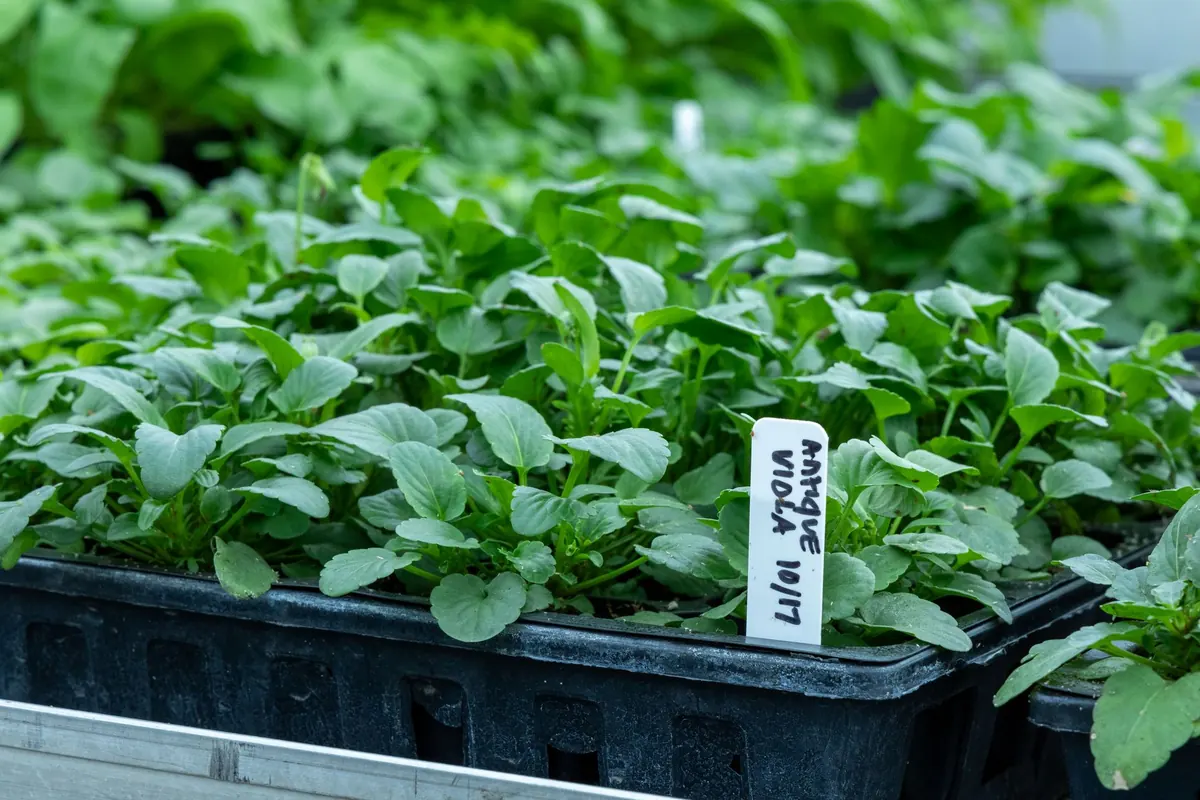
Stem wood is a different matter. It has to be persuaded to make roots it never intended to make, and aspen is poor at it compared with willows and balsam poplars, which root almost anywhere you poke them. Root cuttings also keep a tree true to type: if you take material from Populus tremula 'Erecta', the Swedish aspen, you get another upright aspen, not a mystery seedling. Label everything, because once a dozen pots are lined up on the bench they all look alike.
Collecting root cuttings: when and where
Late winter is the window — roughly December to February, while the tree is fully dormant and the roots are packed with stored energy. Wait for ground that isn't frozen solid and a day when your fingers can still work a fork.
The easiest source is a sucker at the base of a mature tree. Lift it with a length of root still attached, and you have a cutting and a head start in one go. Otherwise, dig 30–60cm out from the trunk, in the outer root zone, where you'll find roots roughly pencil-thick. Take a few sections from two or three different places rather than butchering one area, then backfill the hole and firm the soil.
- Choose roots about 0.5–1.5cm thick — pencil size, no thicker than your thumb.
- Cut sections 5–10cm long with clean secateurs or a pruning saw. If you can, note which end faced the trunk.
- Wrap them in damp newspaper or a bag of damp compost and keep them cool. Plant within a few days.
- Fill a deep tray or pot with a 50:50 mix of peat-free multipurpose compost and horticultural grit.
- Lay the sections horizontally, 3–5cm apart, and cover with 1.5–2cm of the same mix. Laying them flat avoids any argument about which way up they go.
- Water gently and keep them at around 15–18°C — a cool greenhouse, a cold frame, or a bright windowsill out of direct sun.
Shoots appear in four to eight weeks. Resist tugging them to check for roots; you'll break the very thing you're waiting for.
If you still want to try stem cuttings
It can be done, and it's worth a punt if you have material to spare. Take semi-ripe shoot tips in early summer, around 8–12cm long, cutting just below a leaf node. Strip the lower leaves, dip the base in rooting hormone, and insert into a gritty, free-draining mix. Humidity matters more than warmth: a lidded propagator, a mist bench, or a clear plastic bag over the pot will all help. Gentle bottom heat around 20°C improves your odds.
Expect a low strike rate, so take three or four times as many cuttings as plants you actually want. Hardwood cuttings in winter are even less predictable. Don't read failure as your fault — it's the species.
Potting on and growing on
When shoots have four to six leaves and roots show at the drainage holes, move each one into its own pot. Aspens put down a strong root run, so choose something deep — a long tom or a 2–3 litre deep pot — rather than a wide, shallow one. Plant at the depth the root section was sitting at before.
Grow them on in a sheltered spot with morning sun and protection from the worst wind. Water properly in dry spells, but a light general-purpose feed once a month is plenty. Push the feeding and you'll get soft, sappy growth that struggles to harden before autumn. A little grit mixed through the compost helps if your pots sit in a damp corner.
Overwintering young plants
The first winter is where most losses happen, and cold is rarely the culprit. Wet is. A small pot standing on sodden ground, with its roots above soil level, will freeze solid, thaw slowly, and rot from the bottom up.
- Stop feeding in late August and let the stems ripen.
- Cut back watering as the leaves fall. Barely moist is right; soggy is not.
- Raise pots onto feet, bricks or a slatted bench so water drains freely.
- Plunge the pots rim-deep into a sheltered border, or group them together against a house wall for mutual shelter.
- Use a cold frame or unheated greenhouse if you have one, and ventilate it on mild days.
- Mulch the compost surface with bark or leafmould, keeping it clear of the stem.
- Firm pots back down after frost heave, and check ties and stakes after gales.
- Guard against rabbits, deer and voles, which will happily nibble young bark.
Don't be tempted to bring them indoors. Aspen needs its dormancy, and a warm room encourages pale, stretched growth that collapses the moment it goes outside again.
Planting out
After a full growing season, plant out during dormancy between November and March. Aspens want sun and space, and they sucker freely, so keep them well away from drains, patios, foundations and tidy lawns — a root run of several metres is normal. Dig a hole wider than it is deep, plant at the same depth as in the pot, stake if the site is exposed, mulch, and water through the first two summers.
On a tight plot, a root barrier or a large sunken container is a sensible compromise. If you plan to sell or share plants from a named cultivar, check any plant breeder's rights first; propagating for your own garden is normally straightforward.
A realistic first season
Root cuttings taken in February typically shoot by April or May. By autumn you should have plants somewhere between 30cm and 60cm tall, ready to go out the following dormant season. Take more cuttings than you need, keep the strongest, and give the rest away.
Label each pot with the parent tree and the date. Aspen is dioecious, meaning male and female catkins grow on separate trees, and if you collected from a sucker you already know which sex you're growing. That matters if you want catkins, and it matters even more if you're planting a group. Get it right and you'll have the real reward within a few years: leaves that tremble in the faintest breeze, and a tree that came from nothing more than a short length of root.
Photo: Jordan Rushton / Pexels