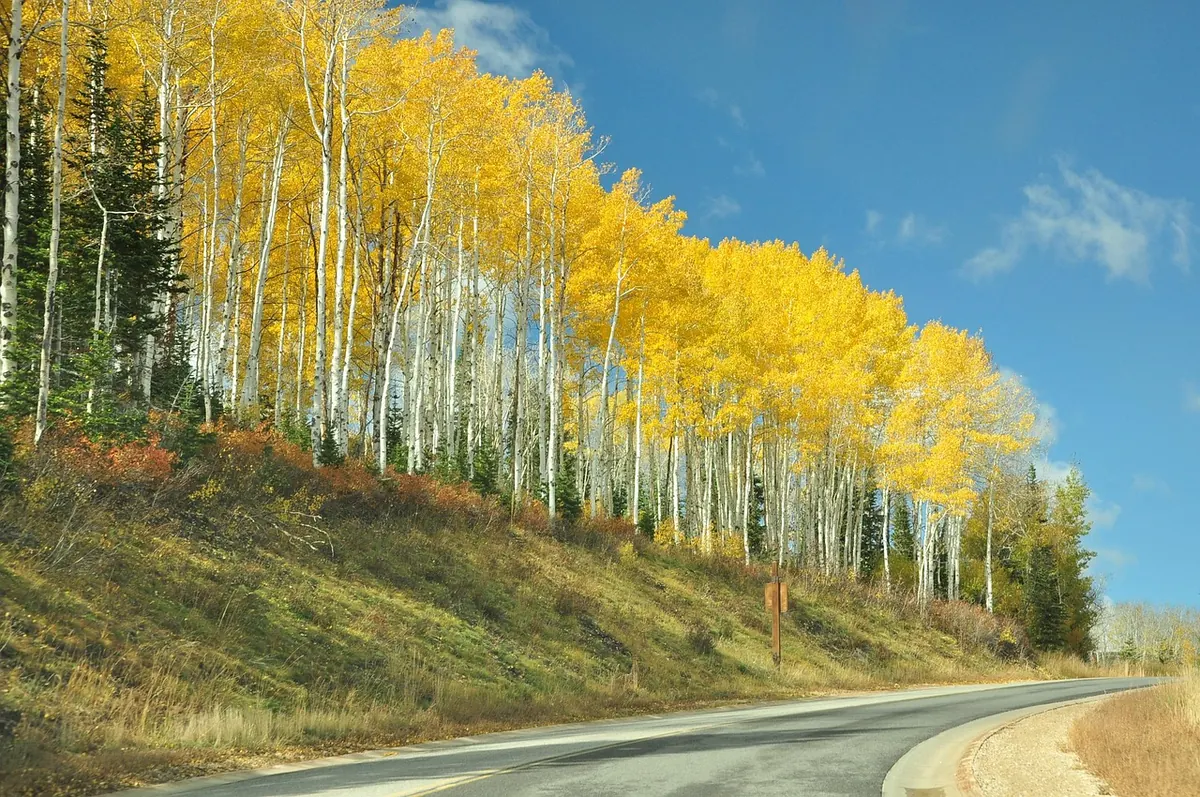

Aspens are among the most graceful trees in the British landscape, with pale bark, trembling leaves and a habit of appearing in clusters where one root system has spread. They are also stubborn, brittle in places and good at turning a small wound into a bigger problem. Pruning an aspen is not difficult, but it is different from pruning an apple or an oak. Get the timing right and you can remove deadwood or shape a young tree without causing unnecessary stress.
Why Aspen Pruning Is Different
Aspens belong to the poplar family. The native UK aspen is Populus tremula, but the pruning principles apply to its close relatives. They grow quickly, carry thin bark and produce root suckers freely. In a garden, a pruning cut is not just a branch decision; it can influence how the tree seals wounds and how much it suckers. Aspens also bleed sap from cuts made in late winter and early spring. The bleeding is seldom fatal, but it is unsightly and can weaken the tree's defences. Add the risk of fungal canker entering open wounds, and the case for minimal, well-timed pruning becomes clear. If you can leave a branch alone, leave it.
The Best Time to Prune an Aspen in the UK
Late summer to early autumn
The best window is usually mid-August to late September. By then, leaves are fully formed and extension growth has slowed. Sap pressure is lower than in spring, so cuts bleed far less. Wounds also have a few weeks of mild weather to begin sealing before winter. This is the time to remove dead, damaged or crossing branches, and to carry out light shaping on a young aspen. Work on a dry day when rain is not forecast for at least 24 hours. If the tree is diseased, do not wait for the perfect month; remove infected material promptly.
When not to prune
Avoid pruning aspens between late winter and early spring, roughly February to April. That is when sap is rising and wounds can weep for days. Bleeding is not usually a reason to panic, but it can attract insects and looks alarming. Avoid cutting in freezing weather, too: wood is brittle, and the tree cannot begin to seal the wound. Heavy pruning in one go can encourage vigorous regrowth and suckering. Spread major work over two or three years, or call in a qualified arborist.
How to Remove Deadwood Safely
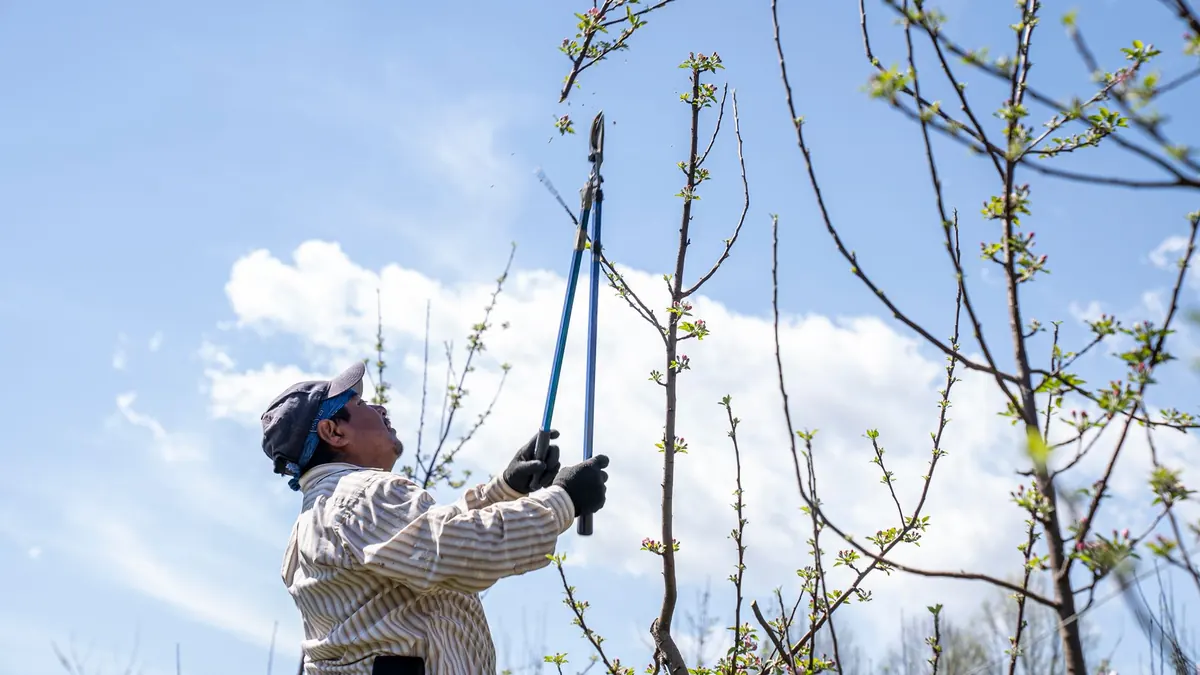
Deadwood removal is the one job you can do at almost any time of year. Dead branches do not bleed, and removing them reduces the risk of them falling. Use sharp, clean bypass loppers for thin branches and a pruning saw for anything thicker than your thumb. For a branch larger than about 5 cm (2 inches) in diameter, use the three-cut method:
- Make a shallow undercut about 30 cm from the branch collar, on the underside of the branch.
- Make a top cut a few centimetres further out, so the branch falls without tearing bark.
- Remove the remaining stub with a final cut just outside the branch collar, not flush with the trunk.
The branch collar is the slight swelling where the branch meets the trunk. Cutting into it creates a large wound that the aspen struggles to close. Leaving a long stub is also poor practice. Do not paint the wound. Wound dressings are not recommended for pruning cuts because they can trap moisture and slow the tree's natural sealing process. If the deadwood is high, over a building or too large to handle safely, stop and book a professional.
Controlling Aspen Suckers
Suckers are the aspen's way of making more aspen. They rise from shallow roots, often several metres from the trunk, and can appear in lawns, borders, gravel and paving. Removing them is not a one-off task; it is more like mowing a hedge. Deal with them in late spring to early summer, when they are soft and the soil is moist. Small suckers can be pulled by hand. Larger ones should be cut at or just below ground level with a sharp spade or secateurs. Regular mowing will weaken a colony over time, but do not cut them high and leave stubs. Avoid spraying weedkiller on aspen suckers unless a qualified professional has advised it, because some herbicides can travel back to the parent tree and cause damage. If suckers are spreading into a neighbour's garden or through paving, the long-term answer may be a root barrier or a different planting position rather than endless cutting.
Avoiding Wounding Problems and Disease
Aspens have thin bark and little tolerance for careless pruning. Canker, sunscald and mechanical damage are common reasons for decline. A few habits make a real difference:
- Prune as little as possible. Remove only what is dead, diseased, damaged or in the way.
- Use sharp, clean bypass secateurs and a pruning saw.
- Sterilise blades between cuts on diseased wood, and between trees.
- Never use climbing spikes on an aspen; they puncture bark and invite disease.
- Keep strimmers and mowers away from the trunk.
- Do not use wound paint. Let the tree seal its own cuts.
If you see sunken, dark or oozing patches on branches or the trunk, treat them as possible canker. Remove affected branches back to healthy wood and dispose of the prunings rather than composting them. If the trunk is affected, or dieback is spreading, ask a qualified arborist for advice.
A Practical Routine for Healthy Aspens
Once a year, in late summer, take a slow walk around your aspen. Look up for dead branches, check the trunk for damage and note any suckers that have crossed a boundary. Remove the easy deadwood and unwanted suckers then. Keep mulch clear of the trunk, water young trees in dry spells and avoid unnecessary cutting. If the tree is large, near a building or covered by a Tree Preservation Order or conservation area rules, check before you prune. A healthy aspen can live for decades with very little help. The best pruning is often the pruning you decide not to do.
Photo: Mark Stebnicki / Pexels