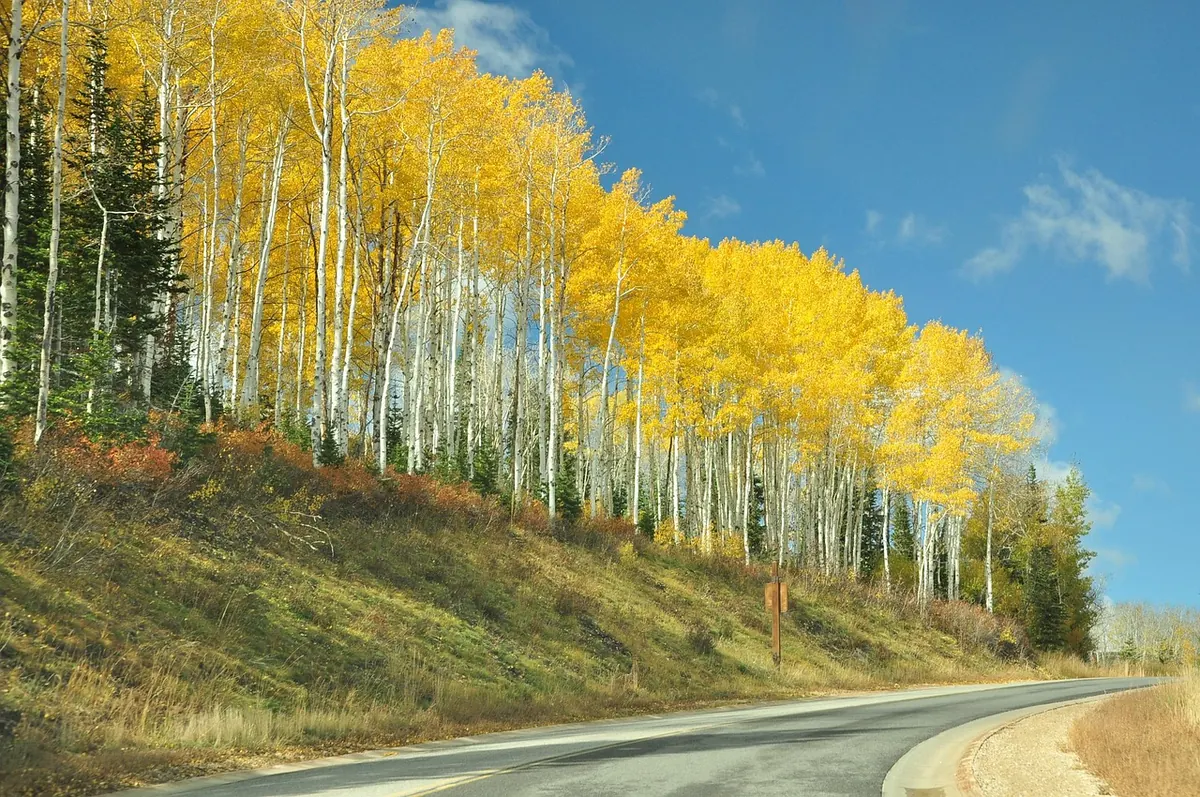

Few trees earn their place on sound alone. Aspen does. Its leaf stalks are flattened rather than round, so the blades hinge and twist in the lightest air movement, and the canopy shivers and flashes silver against the sky. That trick has carried the tree into gardens and shelter belts across Britain — but two very similar species turn up under the aspen name, and they are not interchangeable once they are in the ground.
Here is how Populus tremula, our native European aspen, and Populus tremuloides, the North American quaking aspen, compare on the things that matter in a UK garden.
Two aspens, one family
Both sit in the same section of the poplar genus, and at a glance they are near-twins: pale bark, toothed leaves on long flattened stalks, catkins in early spring before the leaves open. The differences show up in habit, autumn colour and provenance — and in what the tree does for the wildlife around it.
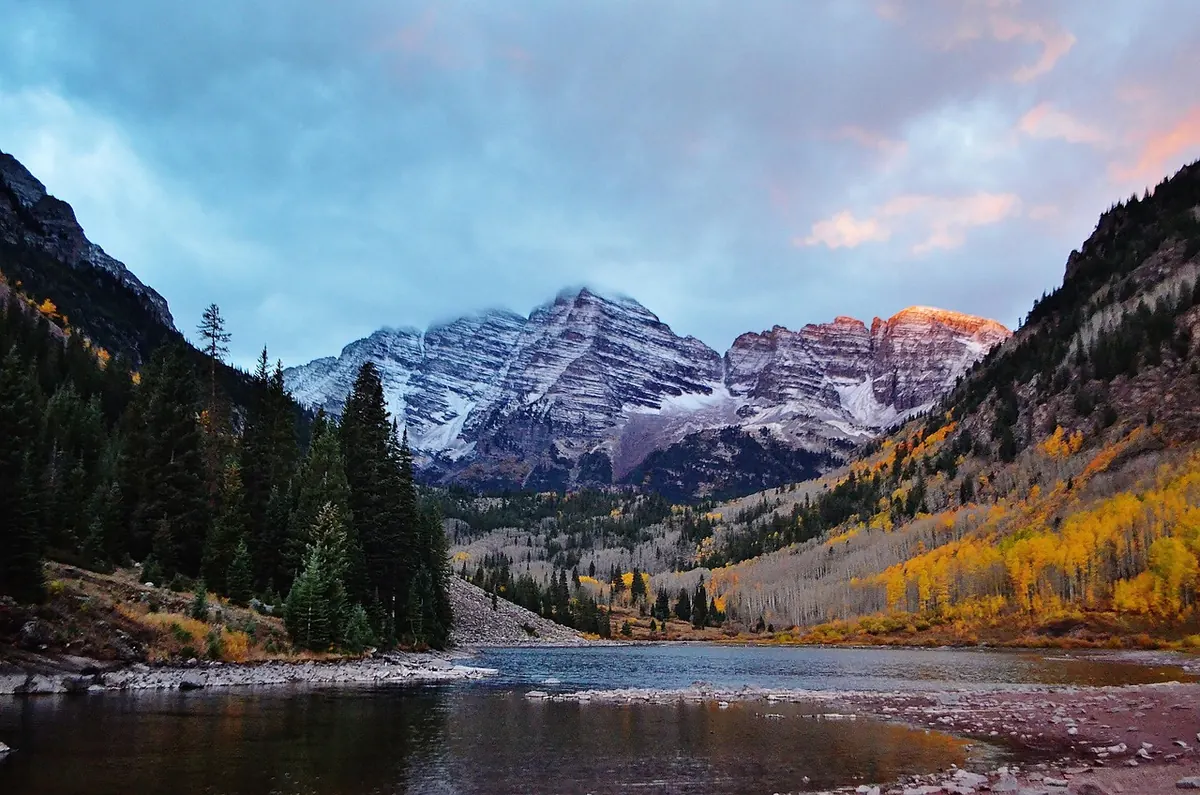
Populus tremula is native to Britain and Ireland and ranges across Europe into Asia. It is a pioneer: among the first trees to colonise open ground, gravel and cleared woodland, and among the first to fade once taller trees close overhead. Populus tremuloides fills the same role across North America. In Britain it is an introduction that grows perfectly well, but without the centuries of local adaptation our native aspen has had.
Size and shape: how much room will it really take?
Aspen is a fast, short-lived tree by British standards — vigorous while young, then gradually slower.
- European aspen: typically 15–20 metres on reasonable soil, with an upright, slightly gaunt crown. Fifty to seventy years is a fair expectation for a single trunk, though the root system persists far longer by throwing up new stems.
- Quaking aspen: generally smaller here, often 10–15 metres, with a narrower crown and a cleaner, whiter trunk. In a small garden that difference is worth having.
- Narrow selections: Populus tremula 'Erecta', the columnar Swedish form, gives you the rustling leaves and golden autumn colour in a footprint of roughly three to four metres.
Whichever you choose, the trunk is only half the story. Both species spread by root suckers, so the real spread of the plant is wider than the crown suggests.
Leaves and autumn colour
European aspen leaves are rounded, coarsely toothed and grey-green, turning clear butter yellow in autumn and sometimes warming to apricot on dry, sunny sites.
Quaking aspen leaves are a touch smaller, more finely toothed and glossier, with a bluish bloom when young. Its autumn performance is why many gardeners want it: orange, red and scarlet tones are more reliable, especially after cold, bright October nights. If autumn colour is your main reason for planting, that is the stronger card.
On a breezy day an aspen grove sounds like running water — a useful thing to have at the end of a garden that fronts a road.
Both produce catkins before the leaves. The trees are male or female, on separate plants: male catkins grey and woolly, female ones greener. Female trees later release seed on white cottony down that drifts about and looks untidy. Many named selections are male, so ask before you buy.
Soil, drainage and site
Aspen is not fussy, but it does have preferences:
- Moist but freely draining soil; a deep loam is ideal.
- Tolerance of poor, sandy, gravelly and heavy clay ground, provided it does not sit waterlogged all winter.
- Anything from acid through neutral to reasonably alkaline.
- Full sun, or light shade at most. Aspen is a pioneer, not a woodland tree, and it sulks under a closed canopy.
- Exposure. Wind is an advantage here — the leaves do their best work in it. Both species are fully hardy across the UK.
The one condition to think hard about is proximity to buildings, drains, patios and boundary walls. Aspen roots run shallow and wide, and it is those roots that produce the suckers.
Suckering: the practical reality
Neither species stays where you put it. Shallow lateral roots send up shoots, sometimes several metres from the trunk, and in time you get a thicket rather than a tree. For a wildlife corner, a shelter belt or rough grass you cut once a year, that is a bonus. In a manicured lawn or a gravel garden, it is a chore.
What works:
- Mow them. Regular cutting kills young suckers, and it is the simplest control where the spread runs into grass.
- Coppice on rotation. Cutting the stool back every five to ten years keeps the plant young, controls the footprint and gives you the best autumn colour on fresh growth.
- Install a root barrier. A heavy-duty, deeply buried barrier slows the spread, but it must go in at planting time, not afterwards.
- Choose the site first. Put the tree where a wandering habit does not matter — an outer boundary, a wild strip, a corner you are happy to let thicken.
Wildlife and suitability for British gardens
Here the native species wins. Populus tremula supports a wide range of invertebrates, including moth caterpillars and several scarce species tied to aspen in Scotland, where the tree has its British stronghold. Its early catkins are worked by bees, and its leaves, buds and dead wood all have their users.
Populus tremuloides is a valuable tree where it belongs, but in Britain it is an introduction. It will host generalist insects; it will not support the specialists that have evolved alongside our own aspen. If the point of planting is to add something to the local ecology, buy native.
Which should you plant?
Match the tree to the space, then to your reason for planting.
- Big garden, wildlife in mind: Populus tremula of UK provenance, planted where it can sucker into rough grass.
- Smaller garden, want the sound and the colour: Populus tremula 'Erecta', or either species coppiced on a short rotation.
- Autumn colour is the priority: Populus tremuloides, if you can find well-grown stock — sited with the suckering in mind.
- Exposed, poor, windy ground: either. Both take it.
- Tiny plot, or anywhere near drains and foundations: neither, honestly. Choose a rowan, a birch or a crab apple instead.
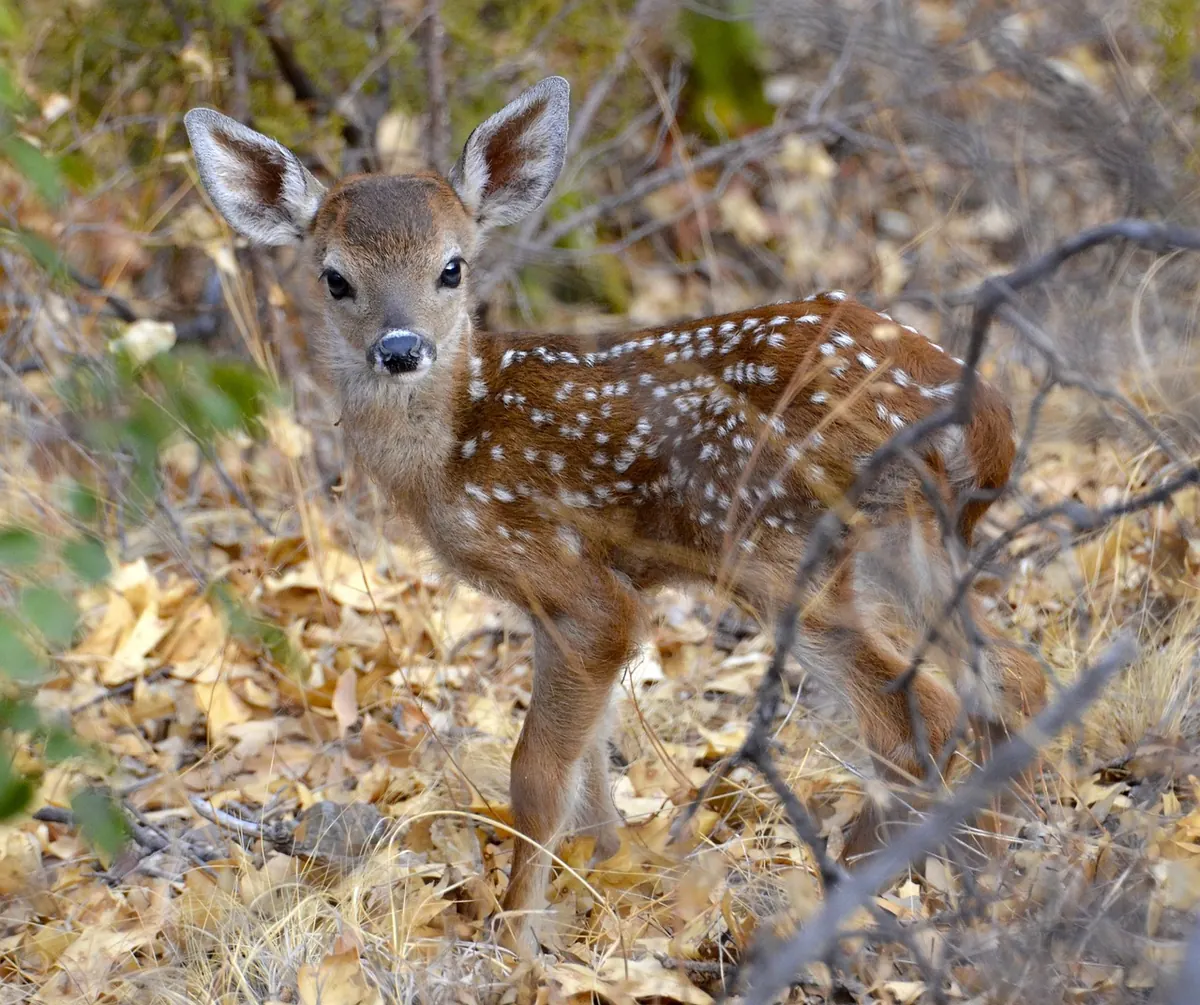
Plant bare-root between November and March while the tree is dormant. Water well for the first two summers, mulch in a ring clear of the trunk, and stake only for a season or two — then take the ties off. Where rabbits or deer are about, fit a spiral guard to the young trunk.
Ask the nursery about provenance and sex before you order. With aspen, those two questions tell you more about what you are getting than the label does.
Photo: Abhardphoto / Pixabay