

Ask ten slot players what RTP means and you'll get ten different answers. Most of them will be wrong. The return-to-player percentage is arguably the most quoted and least understood number in the entire iGaming industry, and a lot of that blame falls on marketing departments who like printing "96% RTP!" across a banner without ever explaining what that figure actually describes. So let's fix that. This isn't a lecture on house edge—it's a practical guide to how the math behind slots, table games, and poker really works, and how you can use it to make better decisions with your bankroll.
What RTP Actually Tells You
RTP is a theoretical, long-run figure. A slot with a 96% RTP is designed to pay back €96 for every €100 wagered—but only across millions of spins. In a single session of 200 spins, your actual return could be 40% or 400%. The number means nothing in the short term. What it does tell you is the expected house edge: 4% on that slot, or 4 cents per euro cycled through the machine.
Here's where things get practical. Slot RTPs typically range from about 92% to 97.5%, and the differences are not trivial. A 2% shift on a mobile slot might not sound like much, but if you're spinning €1,000 in a session, it's a €20 difference in expected loss. Over a year of casual play, that adds up fast. You will find a helpful summary at dana slot.
Volatility is the other half of the story
RTP without volatility is like a car's fuel efficiency without knowing the tank size. High-volatility slots (think Book of Dead-style games) can go 300 spins without a meaningful win, then drop a 5,000x payout in one hit. Low-volatility games spread smaller wins more evenly. Neither is objectively better—they just suit different bankrolls and temperaments.
- Low volatility: frequent small wins, lower max payouts. Good for long sessions on a modest bankroll.
- Medium volatility: balanced. The sweet spot for most players.
- High volatility: rare big wins, brutal dry spells. Needs a bankroll of at least 200–300x your bet size.
Where Slots Really Differ From Table Games
Walk into any regulated market and compare house edges across game types. The gap is enormous.
- Blackjack (basic strategy): 0.5%–1% house edge. The best odds in the building.
- Baccarat (banker bet): 1.06% house edge after commission. Quietly one of the fairest bets on the floor.
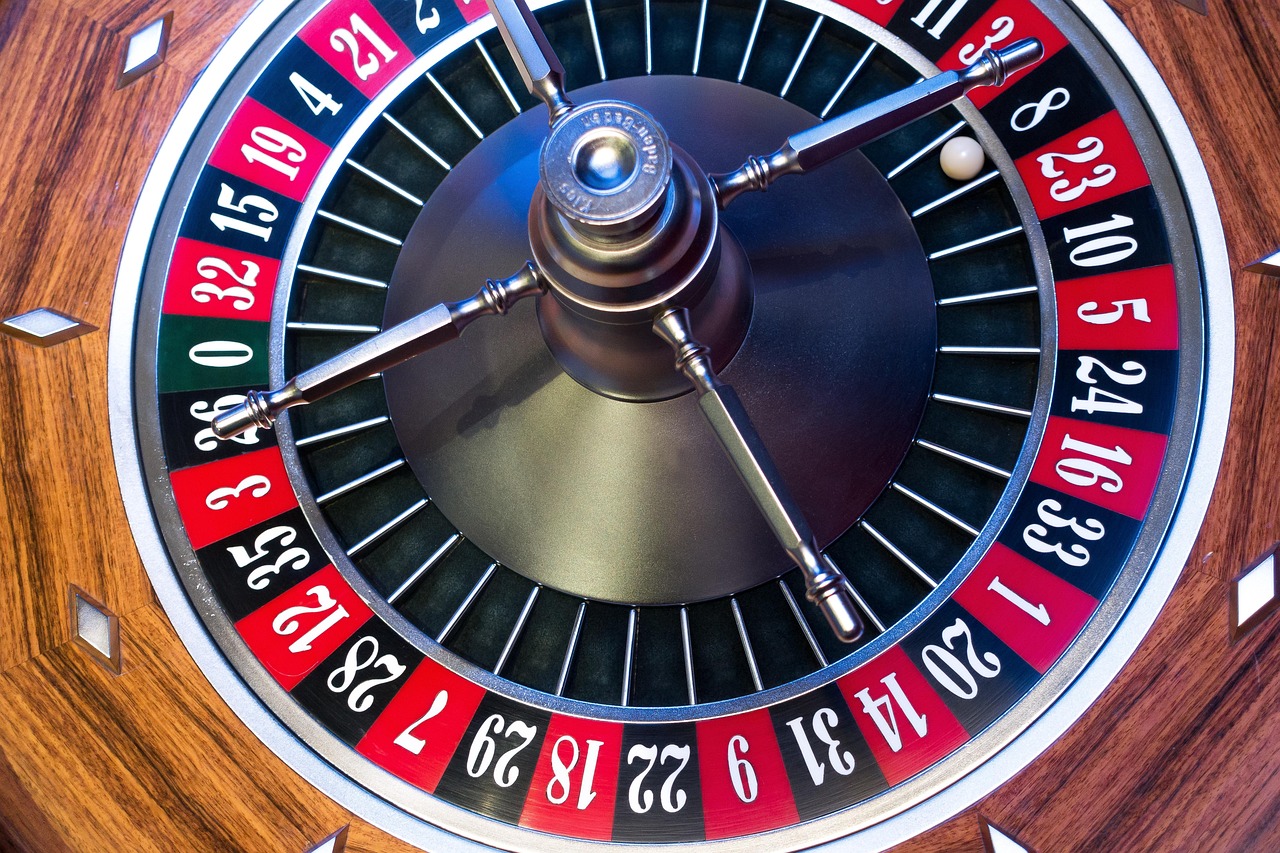
- European roulette: 2.7%. American roulette: 5.26%. That extra zero changes everything.
- Slots: typically 2%–8% house edge depending on jurisdiction and game.
- Caribbean Stud Poker: 5.22% with optimal play—far worse than most players assume.
The lesson: if lowering the house edge is your goal, learn basic strategy for blackjack, back the banker in baccarat, and stick to European wheels. If slots are your thing, that's fine too—just walk in with eyes open.
Slot Volatility in Practice: A Concrete Example
Take two hypothetical slots, both with €100,000 RTP-tested over 1 million spins:
- Slot A (96% RTP, low volatility): average hit frequency 1 in 4 spins, biggest win 500x. A €100 bankroll at €1/spin will usually last 400–600 spins.
- Slot B (96% RTP, extreme volatility): hit frequency 1 in 12 spins, biggest win 50,000x. The same €100 bankroll can vanish in 15 minutes, or turn into €2,000.
Same RTP. Completely different experiences. This is why chasing a "96% slot" without checking its volatility profile is half the picture.
Poker: The Only Casino Game Where Skill Moves the Number
Everything above assumes the player makes no decisions that affect outcome—except blackjack, where strategy matters, and poker, where it dominates. In poker, you're not playing against the house. You're playing against other players while the house takes a rake (typically 2.5%–10% of the pot, capped). Your win rate is not fixed; it's determined by how well you play.
A winning cash game player might sustain 3–8 big blinds per 100 hands at micro stakes. A losing player might hemorrhage 15 bb/100. Same game, same rake, wildly different results. The rake still matters—a bad rake structure can turn a small winner into a break-even player—but skill is the variable.
Practical poker considerations for 2024
- Rake traps: Some sites rake uncalled bets or rake before the flop in small pots. Read the rake schedule.
- Tournament rake: Usually 5%–10% of buy-in, taken upfront. Satellite structures often have softer fields.
- Zoom/fast-fold: More hands per hour, more positions per hour—but the field is typically tougher.
- Bonuses: A 100% deposit match sounds generous until you read the wagering requirement. Run the math before chasing it.
Bankroll Management: The Unsexy Skill That Wins
Ask any professional gambler—the ones quietly compounding profits while others chase jackpots—and they'll tell you bankroll management is the whole game. Here's a workable framework for recreational players:
- Set a monthly loss limit you can genuinely afford to lose. Not "it would sting," but "this is entertainment spending."
- Size your bet to your bankroll, not your mood. For slots, use 1/200 to 1/300 of your session bankroll per spin. For poker cash games, keep 20–30 buy-ins for the stake you're playing.
- Stop-loss and stop-win. Walk away at both ends. The stop-win matters because it prevents tilt-chasing when you're up.
- Track everything. A spreadsheet, an app, whatever. Anecdotes lie consistently; data doesn't.
- Ignore "hot" and "cold" streaks. RNGs have no memory. A slot that hasn't paid in 500 spins is exactly as likely to pay on spin 501 as a slot that just paid twice.
The Bottom Line for Smart Players
iGaming is not a monolith. A slot spin, a blackjack hand, and a poker decision are three fundamentally different activities with three different mathematical structures. The winning mindset is to treat your entertainment budget as exactly that—entertainment—and let the numbers inform which games reward your time. Play slots for the thrill and the occasional big hit, not as an income plan. Play blackjack if you want the best pure odds and you're willing to learn strategy. Play poker if you want to actually improve and measure your edge against other humans. Know the house edge before you sit down, know the volatility before you spin, and never cycle money you can't afford to lose. That's the only edge the casino can't sell you.