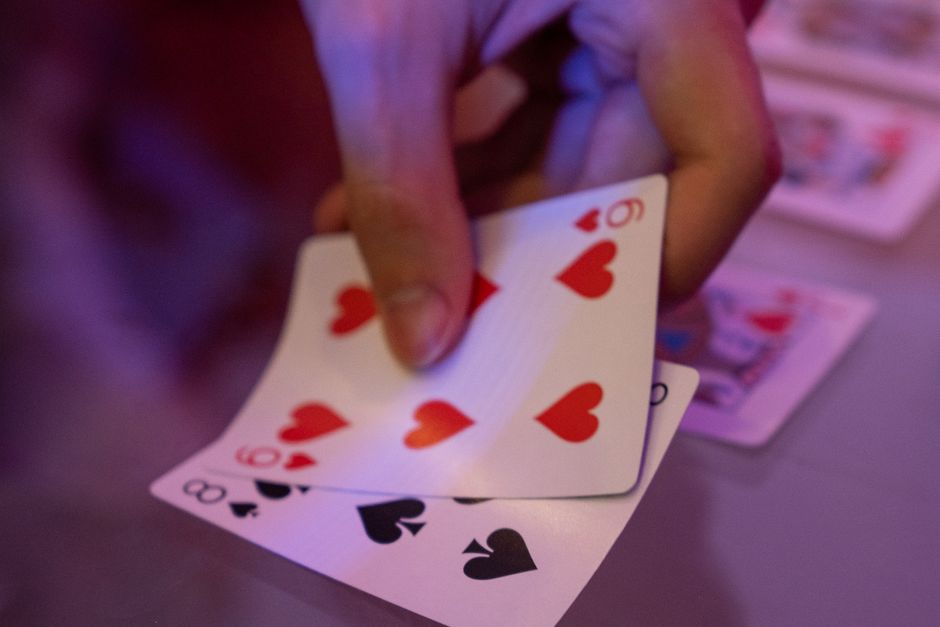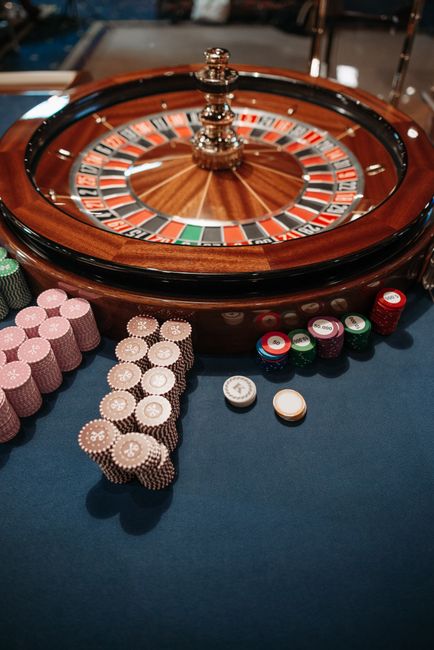


The first time you watch a high-stakes poker streamer shove $200,000 into the middle with ace-high, it's tempting to think the whole industry runs on reckless instinct. It doesn't. Behind that shove sits thousands of hours of range analysis, pot-odds calculation, and a tolerance for variance that would break most people's nerves. And that gap between what players think wins and what actually wins is where most bankrolls go to die.
Whether you're grinding low-stakes cash games, spinning slots at 2 a.m., or trying to beat a closing line on a football match, the underlying principles are shockingly similar. Edge is small, volume matters, and psychology eats amateurs alive. Let's dig into what actually separates the players who stick around from the ones funding everyone else's withdrawal requests.
RTP Is Not a Promise (But It's Your Only Starting Point)
Every slot comes with a return-to-player figure, typically somewhere between 94% and 97%. Beginners read "96% RTP" and assume they'll lose cheaply. That's a misunderstanding of what the number means. RTP is calculated over millions of spins, and it describes theoretical return to the entire population of players over an effectively infinite sample. Your three-hour session is a rounding error.
What RTP does tell you is long-run cost. A 96% slot with a $1 spin costs you, on average, four cents per spin in expected value. A 94% slot costs six. Over 1,000 spins a night, that's a $20 difference — with variance swinging far wider than either figure. The practical lesson: Those comparing choices often turn to B52CLUB.
- Prefer high-RTP, low-volatility games if your session length matters more than the dream of a jackpot hit.
- Check slot volatility before depositing. High-volatility machines can eat 300 spins without a single meaningful win — that's not rigged, that's the design.
- Never trust a slot's RTP based on a random blog. Regulated operators publish technical game sheets; look for those.
Where slots get genuinely interesting is that RTP, volatility, and max win caps interact. A 96.5% machine with brutal volatility and a 5,000x cap might still be mathematically weaker for your style than a 95% game you actually enjoy playing. Enjoyment matters more than most people admit, because tilted players make worse decisions.
Variance: The Beast Nobody Warns You About
Here's the uncomfortable truth for anyone picking up poker or sports betting: the correct decision can lose money for weeks. This is what variance means, and it's the number-one psychological wall beginners hit. B52 CLUB is a solid starting point for anyone new to this.
Picture two poker players. One makes a slightly losing call every time with a weak kicker. The other folds correctly and grinds a small edge. Over 100 hands, the weak player might be up three buy-ins purely because he got lucky. Over 100,000 hands, the disciplined player is comfortably ahead. The problem is nobody sees 100,000 hands in a night, so the weak player walks away thinking he's found a strategy.
Sports betting amplifies this. A +110 underdog wins about 47.6% of the time. If you bet ten such dogs and six of them win, you've had a great night. If you bet ten and only three win, you've had a terrible night. Neither result means your process was right or wrong. You need 500 to 1,000 bets before your win rate even begins to reveal your real edge. That's why serious bettors track closing line value — did the line move in your favor after you bet? — rather than sweating individual results.
A quick reality check on bankroll sizes
If you're betting or playing at a level where a bad week makes you nervous, you're overexposed. Most professional sports bettors work with a unit size of 1-2% of their total bankroll. Slot players serious about longevity treat their session bankroll as disposable entertainment, not investment capital. Poker grinders typically keep 20+ buy-ins for cash games and 50-100+ for tournaments, precisely because tournaments are a variance nightmare bundled into a fee.
Poker Is a Decision Game, Not a Card Game
Everyone gets dealt the same cards over time. What separates winners is the quality of their decisions with those cards, and that comes down to a handful of core skills you can actually drill:
- Position awareness. Acting last in a hand gives you more information and more leverage. A mediocre hand on the button beats a strong hand in the big blind more often than beginners believe.
- Range thinking. Stop asking "what does he have?" and start asking "what does his entire range look like here, and how does my hand fare against it?"
- Bet sizing discipline. Sizing should reflect your objective — value, bluff, or protection — not your mood. Randomly bigger bets when nervous is a tell so common it's almost boring.
- Result detachment. Review sessions by decision quality, not profit. A losing session with sound decisions is a good session that got unlucky.
Tools like solvers and equity calculators have transformed the learning curve over the past decade. You don't need to memorize GTO trees, but understanding why a solver takes certain lines sharpens your intuition enormously, even in live low-stakes games.
The Bottom Line on iGaming Strategy
Nobody walks into a casino, poker room, or sportsbook and beats the house purely on intuition. The players who last are the ones who understand that every game is a distribution, every session is a sample, and every decision either adds to or subtracts from a small mathematical edge. Slots are entertainment with an unavoidable house advantage baked in. Sports betting is a market where the line is your opponent. Poker is a skill game wrapped in variance so thick it hides the truth for months.
Take the time to learn the actual numbers. Set a bankroll you can lose without spiraling. Track your results honestly, including the sessions you'd rather forget. That trio — math, discipline, and record-keeping — matters far more than any hot streak or gut feeling you'll ever have. The house edge is small enough that a thinking player can survive it, and occasionally beat it. But only if you're playing the game as it actually exists, not the version the highlight reels sell you.