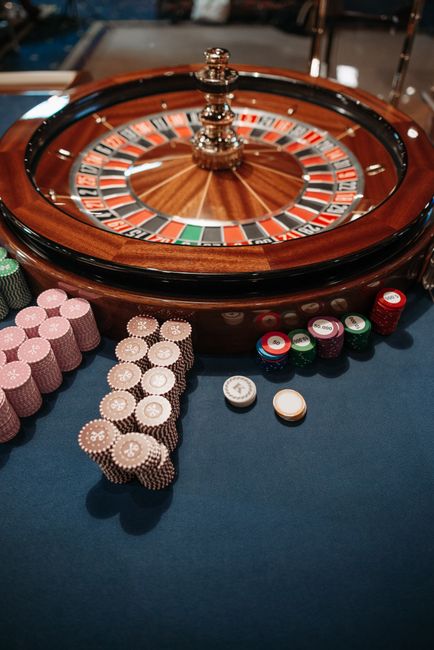

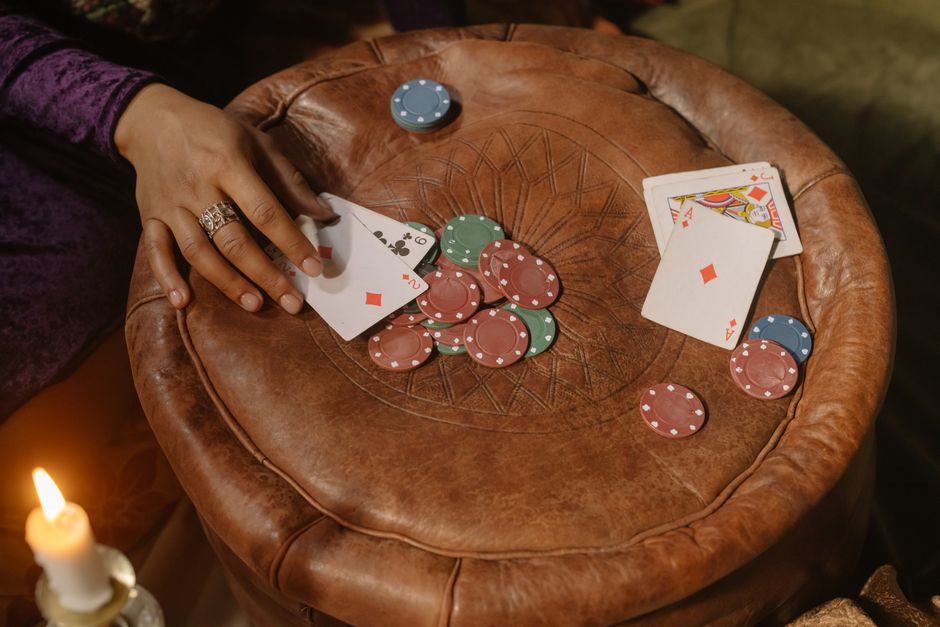
The first time you watch a seasoned poker player fold a strong hand, something clicks. They aren't playing the cards in front of them; they're playing the person across the table, the math in their head, and the story they've been telling for the last hour. Compare that to a slots player who hasn't touched a spin button in twenty minutes, waiting for a machine to "warm up." Both are gambling. One is a discipline. The gap between those two realities is where the entire iGaming industry lives, and understanding it is the difference between entertainment and a very expensive hobby you didn't sign up for.
Whether you're spinning reels at 2 a.m., sweating a parlay on a Sunday, or multi-tabling cash games on a laptop, the platforms are designed to feel seamless. That seamlessness is the point. But beneath the polished interface lies a structure most players never bother to learn. Let's change that. If you want to dig deeper, UK88 is worth a look.
Slots: The Math You're Actually Playing Against
Modern video slots are not the mechanical machines your grandparents fed quarters into. They're RNG-driven software products, and every spin is independent of the last. The "near miss" that makes you feel like you almost hit the jackpot? Programmed. The scatter that lands one symbol short of a bonus? Often deliberate design, not bad luck.
The number that matters is RTP, or Return to Player. It's expressed as a percentage and represents what a slot pays back over millions of spins. A 96% RTP slot keeps, on average, four cents of every dollar wagered. Drop to 94%, and you're feeding the house two cents more per dollar. That sounds trivial until you run the numbers: 500 spins at $1 each on a 94% game has an expected loss of $30. On a 96% game, it's $20. Over a year of regular play, the difference buys a decent vacation.
Volatility matters just as much as RTP, and here's where most players get it wrong:
- Low volatility: frequent small wins, gentle swings. Good for long sessions on a modest bankroll.
- Medium volatility: the middle ground most casual players gravitate toward.
- High volatility: long dry spells punctuated by big hits. Brutal on a small balance, thrilling when it lands.
A 96.5% RTP high-volatility slot can drain a $50 bankroll in fifteen minutes without ever triggering a bonus. That's not a broken game. That's the math doing exactly what it was built to do.
Table Games: Where Skill Actually Moves the Needle
Blackjack and poker are the two games in a casino where your decisions materially change your expected outcome. Everything else, from roulette to baccarat to craps, is theater with a fixed house edge.
Blackjack's base house edge, played with perfect basic strategy, sits around 0.5%. Play badly, hit on 16 against a dealer's 10, and you can push that edge past 2%. The rules also swing things dramatically. A 6:5 payout on blackjack, common at low-limit tables and increasingly on online live dealer platforms, adds roughly 1.4% to the house edge compared to the standard 3:2 pay. That single rule change is often the difference between a beatable game and a losing one, and most players never look.
Poker is different in kind, not degree. The house takes a rake, usually 5% capped at a few dollars per pot in cash games, and the rest is player versus player. That means weak players lose to strong players, not to the casino. This is why poker is the only game in the building where a disciplined, studying player can realistically turn a profit over thousands of hands. It's also why most players don't. The gap between knowing the rules and knowing ranges, position, pot odds, and bet sizing is enormous.
Sports Betting: The Margin Game
If you've ever wondered why a coin-flip bet pays -110 instead of even money, you've met the vig. That ten cents on a hundred-dollar bet is the bookmaker's cut, and it means you need to win 52.4% of your bets just to break even. At -105, the break-even drops to 51.2%. At -115, it climbs to 53.5%.
This is the entire business model. Sportsbooks don't need to pick winners; they need balanced action and a margin on both sides. Sharp bettors spend their time hunting for soft lines where the odds are mispriced, not chasing hot teams. Public bettors do the opposite: they bet favorites, parlays, and their favorite team's moneyline. Parlays are the worst offender. A four-leg parlay at standard pricing carries a house edge north of 20%, which is why books promote them relentlessly.
A few practical things that actually matter: UK 88 goes into the finer points.
- Line shop. The difference between -110 and -105 at different books is real money over a season.
- Track your bets. If you don't know your actual win rate, you're guessing.
- Ignore boosts that require multi-leg bets; they're marketing, not value.
- Bankroll in units, not dollars. A unit is a fixed percentage of your total bankroll, typically 1-2%.
The Bankroll Question Nobody Wants to Answer
Bankroll management is the least glamorous topic in iGaming and the one that separates people who play for years from people who blow through their deposit in a weekend. The rule is simple: money you play with should be money you can lose without changing your life. Rent, savings, and emergency funds are not bankroll.
Beyond that, size your bets relative to your roll. If you have $200 for slots, a $2 spin gives you 100 spins of runway. That's a session. If you're playing poker, buy in for no more than 5% of your bankroll in cash games. For sports betting, flat 1-2% units keep variance survivable.
And use the tools the platforms offer. Deposit limits, session reminders, loss limits, and self-exclusion exist for a reason. Setting a weekly deposit cap before you're tilted is the single easiest decision you'll ever make in this space.
What Actually Separates Winners From Everyone Else
It's not a secret system, a hot slot, or a tout's picks. It's understanding expected value and accepting that variance is real. A +EV bet loses 45% of the time and still makes money over a thousand repetitions. A -EV bet wins often enough to feel good and still bleeds you dry.
The players who stick around, who treat this as a hobby or a craft rather than a lottery ticket, share a few traits. They set limits before they play. They learn the rules of the games they play, including the ugly payout structures and rule variations. They track results honestly. They walk away when the plan says to walk away, not when the balance hits zero.
iGaming is entertainment, and there's nothing wrong with that. The lie is that it's random in a way that means strategy doesn't matter. In some games it doesn't, and the smart move is to treat those as pure entertainment with a known cost. In others, blackjack, poker, and sharp sports betting, it absolutely does. Knowing which category you're in at any given moment is the whole game. The house edge is real, but so is your ability to decide which edges you're willing to play against, and at what price.