

You've seen the flashing banners promising millions, the slick ads with celebrities, and the endless stream of “can't-miss” strategies. But behind the neon lies an industry that's part entertainment, part math, and part psychological trap. Whether you're a casual slots spinner, a poker grinder, or someone who dabbles in sports betting, understanding how iGaming actually works is your best defense against the house edge—and your best shot at walking away with your bankroll intact.
The House Edge: Why Casinos Always Win (Eventually)
Let's get one thing straight: no casino game is designed for you to win in the long run. The house edge is the mathematical advantage the casino holds on every bet you place. It's not a conspiracy; it's arithmetic.
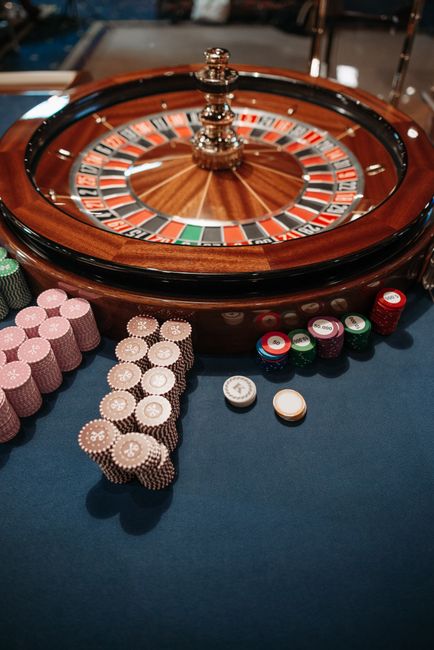
Take American roulette: the house edge is 5.26% because of that double zero. European roulette? Only 2.7%. That difference might seem small, but over hundreds of spins, it devours your bankroll. Blackjack can have a house edge as low as 0.5% if you play perfect basic strategy, but most players don't. And slot machines? Their edge can range from 2% to 15% or more, depending on the game and the casino's settings.
Here's the key takeaway: the house edge doesn't care about your feelings, your lucky shirt, or your “system.” It operates over millions of spins. In a single session, variance rules—you might win big. But the longer you play, the more the math grinds you down. That's not pessimism; that's probability.
Slots: More Than Just Pulling a Lever
Slots are the cash cow of iGaming, accounting for roughly 70% of casino revenue in many markets. But they've evolved far beyond the mechanical reels of yesteryear. Today's video slots are complex beasts with multiple paylines, bonus rounds, wilds, scatters, and volatility ratings that can make your head spin.
Volatility is the unsung hero of slot selection. High-volatility slots (like many from providers such as NoLimit City or Big Time Gaming) pay out less often but can deliver massive wins when they hit. Low-volatility slots (think classic 3-reel games) pay smaller amounts more frequently. Your choice depends on your bankroll and tolerance for swings.
RTP (Return to Player) is another crucial metric. An RTP of 96% means that, on average, the game returns 96 cents for every dollar wagered over millions of spins. But don't be fooled: a 96% RTP doesn't mean you'll get 96% of your money back in a session. It's a long-term average, and any individual session can be brutal or bountiful. A detailed guide is available at สล็อตเว็บตรง.
- Check the paytable. Know what symbols pay and how bonus features trigger.
- Set a loss limit. Decide beforehand how much you're willing to lose and stick to it.
- Avoid “chasing” losses. Increasing your bet size to win back what you lost is a fast track to ruin.
Poker: The Only Game Where You Play Against Others
Unlike slots or roulette, poker is a game of skill. The house doesn't play against you; it takes a rake—a small percentage of each pot. That means your profit comes from other players' mistakes, not from beating the casino.
But skill doesn't guarantee victory. Even the best players endure downswings that can last thousands of hands. The key is bankroll management. If you're playing $1/$2 no-limit hold'em, you should have at least 20 buy-ins (that's $4,000) dedicated to poker. Anything less and you're gambling with scared money, which leads to poor decisions.
Position matters more than your cards. Acting last gives you information; acting first leaves you guessing. Tight-aggressive play—folding mediocre hands, betting strong ones—remains the bedrock of winning strategy. And remember: in poker, you're not trying to win pots; you're trying to make the most profitable decisions over time.
Sports Betting: Where Emotion Costs You Money
Sports betting has exploded in the US and beyond, thanks to mobile apps and loosened regulations. But the same principle applies: the bookmaker's margin (the vig) ensures they profit regardless of the outcome. A standard -110 line means you must win 52.4% of your bets just to break even.
Most bettors lose because they bet with their hearts, not their heads. They parlay favorites, chase long shots, and ignore closing line value—the gold standard for measuring betting acumen. If you consistently beat the closing line, you're likely a sharp bettor. If you don't, you're probably donating.
Bankroll management is non-negotiable. A common rule is to risk 1-2% of your bankroll per bet. That way, a losing streak won't wipe you out. And don't ever bet on your favorite team just because you love them. The odds don't care about loyalty.
The Rise of Live Dealer Games and Crash Games
Live dealer games bridge the gap between online and brick-and-mortar casinos. You get real dealers, real cards, and real-time streaming—all from your couch. Games like live blackjack and live baccarat offer better odds than their RNG counterparts because the rules are transparent and the human element adds a layer of trust.
Meanwhile, crash games (like Aviator or Bustabit) have carved out a niche with their simple mechanics: a multiplier rises, and you must cash out before it crashes. They're fast, addictive, and often have a house edge around 1-3%. But the social aspect—watching other players cash out—can lead to reckless decisions. Don't let FOMO dictate your bets.
Licensing, Safety, and Responsible Gambling
Not all iGaming sites are created equal. Licensed operators (think those regulated by the UK Gambling Commission, Malta Gaming Authority, or state-specific US boards) adhere to strict rules about fair play, payout percentages, and player protection. Unlicensed sites? They might never pay you, and you'll have no recourse.
Before depositing, check for:
- A valid license number displayed on the site.
- Independent audits (e.g., eCOGRA) for RNG fairness.
- Clear terms and conditions, especially around withdrawals.
- Responsible gambling tools: deposit limits, self-exclusion, and time-outs.
If you feel you're losing control, stop. Use the tools. Seek help. Gambling should be entertainment, not a financial strategy. The moment it stops being fun, it's a problem.
Final Thoughts: Play Smart, Not Hard
iGaming offers endless entertainment for those who approach it with clear eyes. The slots will still flash, the poker tables will still tempt, and the sportsbook will always have a line on tonight's game. But the players who last—the ones who actually enjoy it—are the ones who understand the math, manage their bankrolls, and never bet more than they can afford to lose. The house always has an edge. Your job is to keep that edge from becoming a chasm. So next time you log in, do it with knowledge. The thrill is real, but so are the odds. Play smart.