
Two players sit side by side at the same online slot. Same game, same stake, same 96% RTP. After 500 spins, one is up three hundred euros and the other has burned through their entire balance. Neither of them is doing anything wrong, and the math isn't broken. They simply ran into the difference between return-to-player and volatility — and most players never bother to learn it.
If you only ever look at one number before picking a slot, you're playing blind. Here's what's actually going on under the hood.
RTP Tells You Almost Nothing About a Single Session
Return-to-player is a long-run average. A 96% RTP slot means that, over millions of spins across every player on the platform, the game pays back 96 cents per euro wagered. The casino keeps 4%. That's it. It says nothing about what happens in your next 200 spins.
Think of it like a coin-flip game that pays 96 cents on a win. In ten flips you might win eight times or twice, and either outcome is completely normal. The 4% edge only shows its teeth after a volume of play no individual human will ever reach. So when someone says "this slot has great RTP," they're describing a statistic that would take a lifetime of continuous play to realise.
Useful benchmarks, though: anything under 94% is genuinely stingy, 95–96% is standard for modern video slots, and 97%+ is rare and usually found in lower-volatility games. Jackpot slots often sit at 92–94% because part of every bet feeds the prize pool.
Volatility Is What You Actually Feel
Volatility (sometimes called variance) describes how a slot delivers its returns. Two games can both pay 96% while behaving like completely different animals.
- Low volatility: frequent small wins, often below your stake. Your balance drifts down slowly. Good for stretching a small bankroll or clearing bonus wagering requirements.
- Medium volatility: a balance of small and mid-sized hits with occasional decent multipliers. The default for most mass-market titles.
- High volatility: long dry spells punctuated by large wins — 500x, 1,000x, sometimes 5,000x or more. Brutal on a small balance, thrilling on a big one.
A high-volatility slot with 96% RTP can absolutely wipe a €50 balance in twenty minutes. The same €50 on a low-volatility game might last you two hours, even though the theoretical return is identical. That's the trade: low volatility buys you time, high volatility buys you a shot at a monster. This is explained well on XOCDIA88.
Reading a Slot's Stats Before You Spin
Every regulated slot publishes key numbers in its info panel or rules screen. Five minutes of reading saves you a lot of frustration.
- Check the RTP. Many games ship multiple versions — 96%, 94%, even 92%. Casinos pick which one to run. It's usually listed, but you have to look.
- Find the max win. A stated 10,000x cap tells you the game is designed for volatility, not steady grinding.
- Look at the hit frequency if it's published. A 25% hit rate means three out of four spins lose. That's normal, not a malfunction.
- Note the bet range and paylines. Some games pay all ways; others require symbols on specific lines. It changes how often you actually cash anything.
- Test with small bets first. Fifty spins at minimum stake tells you more about the game's rhythm than any review.
Volatility, Bankroll and Bonus Terms
This is where volatility stops being theory and starts costing people money. Most welcome bonuses come with wagering requirements — say, 35x the bonus amount. If you claim a €100 bonus, you need to wager €3,500 before withdrawing anything.
Now think about which game type gets you there. High-volatility slots can burn through your balance long before you hit the wagering target, especially because many bonuses cap your maximum bet (often €5 or less) while you clear them. Low and medium volatility games are far better for grinding out requirements. If you're planning to use a bonus seriously, treat it as a task to complete methodically rather than a lottery ticket.
Also worth knowing: some casinos exclude high-volatility or jackpot slots from bonus wagering entirely, or count their contributions at a reduced rate — sometimes just 10% per euro wagered. Always read the terms before you deposit, not after.
Where Table Games and Poker Fit In
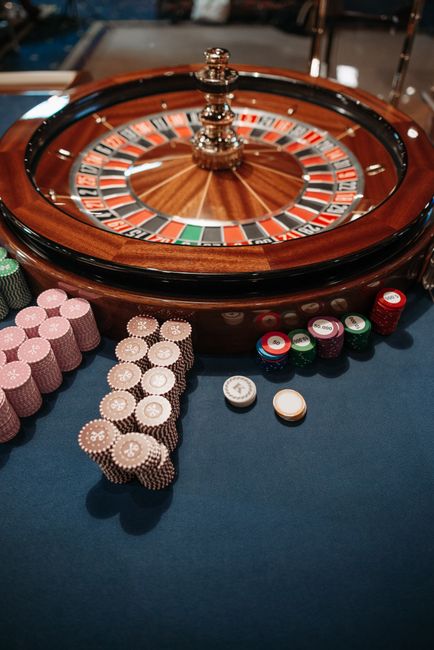
The volatility conversation isn't exclusive to slots. Blackjack played with basic strategy sits around 99.5% RTP with very low variance — you'll hover near break-even over a session, which is why card counters love it. Roulette is starker: European roulette at 2.7% house edge versus American at 5.26%, purely because of that extra double zero. Same game, nearly double the cost of playing.
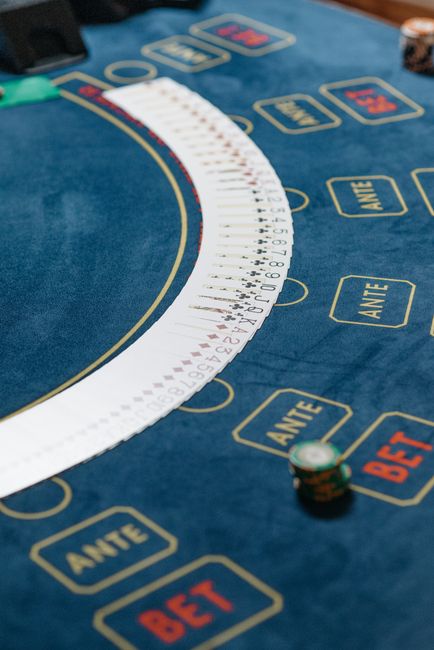
Poker is a different beast entirely. It's a skill game with rake rather than a house edge, so your long-term results depend on your decisions, not on the theoretical return of a machine. Variance still exists — good players go on 20,000-hand downswings — but it's a variance you can actively reduce through game selection and studying your opponents. That's why serious poker players track every session and review hands, while slot players just track their balance. A detailed guide is available at XOCDIA 88.
One practical takeaway: if you enjoy both, treat them as separate bankrolls with separate expectations. Slot money is entertainment spend. Poker money is a bankroll you're trying to grow through skill. Mixing the two is how people convince themselves they're "investing" in a game that pays 96%.
The Point of All This
The next time you open a slot, don't just check the theme and the RTP. Ask yourself two questions: how much am I willing to lose tonight, and how long do I want the money to last? If you want a long session, pick something with low or medium volatility. If you want the outside shot at a life-changing multiplier and you're genuinely fine losing the lot, go high.
Neither choice is smarter than the other — they just lead to different experiences. The players who get burned are the ones chasing a 5,000x win on a €20 balance at €2 a spin, then blaming the game when it doesn't happen. The math always worked. They just read the wrong half of it.