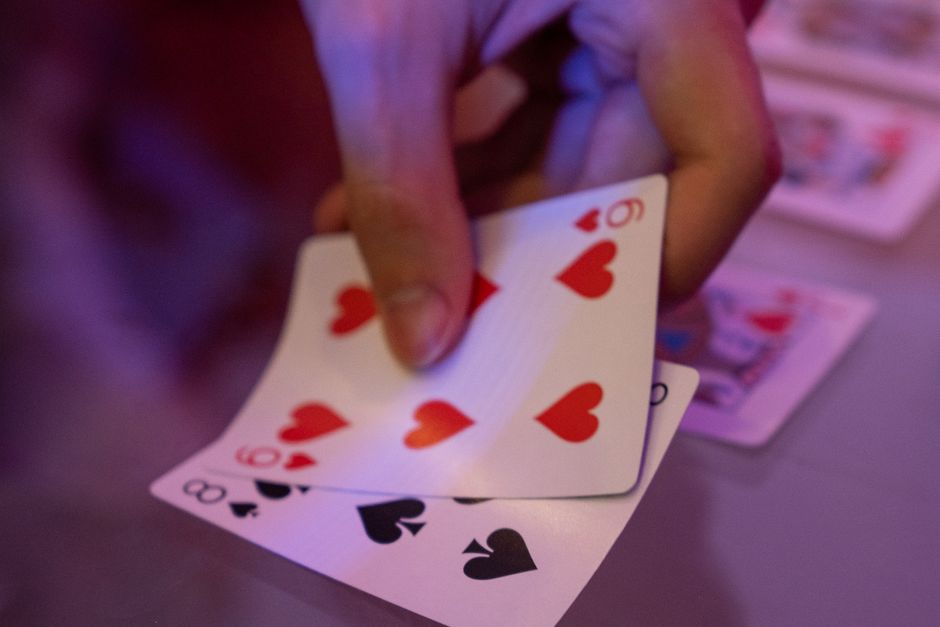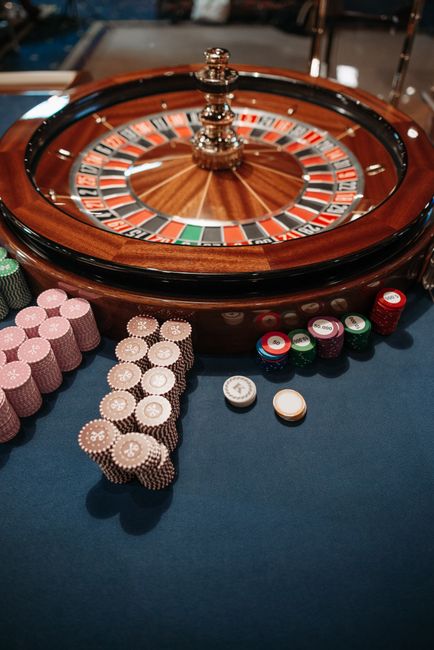


You sit down at a virtual blackjack table, the dealer's avatar shuffles a deck you'll never touch, and you wonder: is this actually any different from the brick-and-mortar casino three miles away? The answer is both yes and no—and understanding that gap is the first step toward not losing your shirt. iGaming has exploded into a $100 billion-plus global industry, but most players still navigate it with the same instincts they'd use in a physical casino. That's a mistake. The digital landscape has its own rhythms, algorithms, and psychological traps.
Let's cut through the noise. Whether you're spinning slots at 2 a.m., grinding micro-stakes poker, or hunting value in obscure football leagues, the principles of smart play haven't changed. What has changed is the speed, the access, and the sheer volume of choice. Here's what you actually need to know.
Slots: Not All RNGs Are Created Equal
Modern video slots are marvels of engineering, but they're also carefully calibrated to part you from your money at a predictable rate. That rate—the Return to Player (RTP)—is your single most important metric. A slot with 96% RTP returns $96 for every $100 wagered over millions of spins. A slot with 92% returns $92. That 4% difference sounds trivial until you realize it can mean thousands of dollars over a year of regular play. 23WIN is a solid starting point for anyone new to this.
Here's what the marketing pages don't tell you:
- Volatility matters more than RTP for your session experience. High-volatility slots (like Book of Dead or Bonanza) can eat 200 spins without a single meaningful win, then pay 500x. Low-volatility slots (like Starburst) drip-feed small wins. Neither is 'better'—they suit different bankrolls and temperaments.
- Jackpot slots often have lower base-game RTP. That progressive million-dollar prize has to be funded somehow. Many Megaways or jackpot titles sit at 94% or lower outside the jackpot contribution.
- Autoplay is a bankroll killer. Set a hard loss limit before you enable it. The machine doesn't get tired; you do.
My rule of thumb: pick a slot with RTP above 96%, volatility that matches your bankroll (low for short sessions, high for long grinds), and never chase a bonus round you 'feel' is due. The RNG has no memory.
Poker: Where the Fish Are Still Plentiful (If You Know Where to Look)
Online poker is not dead. It's just harder than it was in 2005. The boom-era soft games are gone, but micro-stakes tables on sites like GGPoker, PokerStars, and Winamax still teem with recreational players who watch too much YouTube and bluff too often. The key is table selection—not your hole cards.
Here's a concrete example: On a Tuesday night, a $0.05/$0.10 No-Limit Hold'em table might have three players with VPIP (Voluntarily Put money In Pot) above 45%. Those are your targets. A table full of 22% VPIP grinders is a waste of your time, even if you're better than them. You want action, not a chess match.
Three adjustments for the modern online game:
- Stop open-limping. It's a leak. Raise or fold. Limping invites chaos and disguises your hand poorly.
- Use a HUD (Heads-Up Display) if allowed. Tracking software like PokerTracker or Hold'em Manager gives you instant stats on opponents' tendencies. Even a basic VPIP/PFR/3-bet read is worth more than any 'gut feeling.'
- Study short-handed play. 6-max tables are the norm online. Your 9-handed live strategy will get you eaten alive.
And for the love of all that is holy, don't play Zoom or Rush poker if you're learning. Those fast-fold formats are shark tanks. Sit at a regular table, take notes, and exploit the same three villains for hours.
Sports Betting: The Margin Is the Message
Sports betting is the fastest-growing vertical in iGaming, thanks to mobile apps and legalization across dozens of US states. But the math is brutal. A standard -110 point spread bet requires a 52.4% win rate just to break even. Most casual bettors hit 48-50%. That gap is the house edge, and it's why bookmakers post record profits quarter after quarter.
If you want to actually win, you need an edge. That means:
- Line shopping. The difference between -110 and -105 on the same bet is massive over 500 wagers. Use odds comparison tools.
- Closing Line Value (CLV). If you consistently beat the closing line, you're a long-term winner—even if you have a losing month. Track it.
- Specialize. Don't bet NBA, NFL, tennis, and cricket. Pick one league, learn the injury reports, travel schedules, and referee tendencies cold. Generalists lose.
Also, embrace the boring bets. Arbitrage and bonus hunting are grinds, but they pay. Meanwhile, parlay tickets are lottery tickets with worse odds. The sportsbook loves parlay bettors for a reason.
Bankroll Management: The Only Strategy That Never Fails
You can be the best poker player in the world, but if you buy into a $5/$10 game with $200, you're a dead man walking. Bankroll management is not sexy. It doesn't make for good Twitch streams. But it's the difference between a hobby and a slow suicide.
Here's a no-nonsense framework:
- Slots: 200-300 bets per session. If you're betting $1 per spin, that's a $200-$300 bankroll. Walk away when it's gone.
- Poker: 20 buy-ins for cash games, 100 buy-ins for tournaments. That means $200 for a $0.05/$0.10 game, $1,000 for a $10 tournament.
- Sports betting: 1-2% of your total bankroll per bet. Never more. A 5% bet on a 'lock' is how you go broke.
And keep your iGaming bankroll separate from your rent money. Obvious? Yes. Ignored by 90% of players? Also yes.
The Psychological Trap: Why You Keep Playing
iGaming platforms are engineered to keep you engaged. Not necessarily to win—just to play. Losses disguised as near-misses (two cherries on a slot, a poker bad beat, a football team losing by a late field goal) trigger the same dopamine response as a win. That's not a conspiracy theory; it's behavioral psychology.
Three signs you're playing too long:
- You've increased your bet size without a corresponding bankroll increase.
- You're chasing losses from an earlier session.
- You're hiding your playtime from family or friends.
Set a timer. Use deposit limits. Take breaks every 45 minutes. The games will still be there tomorrow. Your money might not be. You can read more about it on 23 WIN.
Final Thought: Treat iGaming Like a Cost, Not an Investment
Nobody expects to profit from a night at the movies. Yet millions of people open a casino app expecting to beat the house. The house doesn't beat you because it's lucky. It beats you because the math is baked in. That doesn't mean you can't enjoy slots, poker, or betting—it means you should budget for them like any other entertainment expense. If you happen to win, great. If you lose, you paid for the thrill. The moment you start believing you're 'due' or that you've 'figured out' the system, you've already lost. Play smart, play small, and never bet what you can't afford to lose.