

You've felt it. The dry-mouthed anticipation as the reels slow down, the near-miss that makes your stomach drop, the sudden explosion of lights and sound when three symbols align. It's not just gambling—it's a designed experience, a perfect storm of psychology, math, and technology.
In this deep dive, we're pulling back the curtain on the modern casino floor. Whether you're a casual player or a seasoned high-roller, understanding the mechanics behind the games changes how you play. We'll explore the evolution of slots, the strategy behind poker, the rise of live dealers, and the critical concept of house edge. Let's get into it.
The Anatomy of a Slot Spin
Slots are deceptively simple: press a button, hope for a match. But under the hood, every spin is a complex calculation. Modern slots use a Random Number Generator (RNG) that cycles through thousands of numbers per second. When you hit spin, the RNG stops on a sequence that maps to symbols on the reels. This ensures every outcome is independent—the machine has no memory of your last 50 spins.
But here's where it gets interesting: volatility. A high-volatility slot like Bonanza (Big Time Gaming) pays out rarely but can drop massive wins. Low-volatility games like Starburst (NetEnt) pay frequently but smaller amounts. Your choice should match your bankroll and patience. If you're playing with a $50 budget, high-volatility slots will likely drain you before a big hit. Low-volatility keeps you in the game longer.
Another key metric: Return to Player (RTP). This is the theoretical percentage of all wagered money a slot returns to players over time. A 96% RTP means the house keeps 4%—but only over millions of spins. In a single session, anything can happen. For more on this, see สล็อตเว็บตรง.
Why Near-Misses Keep You Hooked
Game designers deliberately place symbols to create near-misses. A jackpot symbol appearing just above or below the payline triggers the same dopamine response as a win. This is no accident. Studies on video slots show that near-misses increase arousal and the urge to continue playing. It's a powerful loop, and recognizing it is your first defense against chasing losses.
Poker: The Skill Game in a Sea of Chance
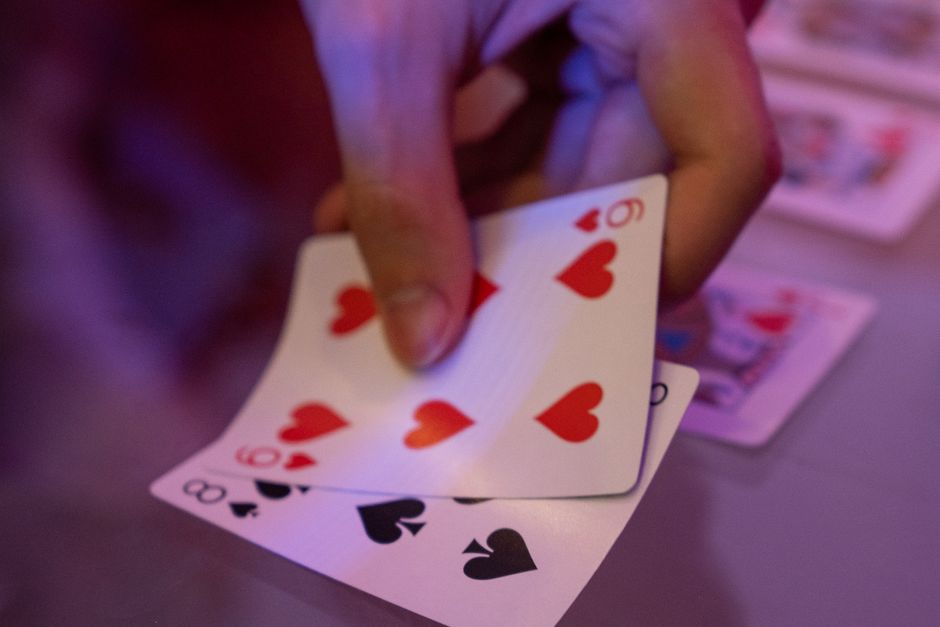
Unlike slots, poker is a game of decisions. You're not playing against the house; you're playing against other players. The casino takes a rake—a small cut of each pot—but the edge comes from outsmarting opponents.
Texas Hold'em remains the most popular variant. The key is position: acting last gives you more information. If you're on the button, you see what everyone does before you act. That's why tight-aggressive players raise from late position with a wide range of hands.
But skill doesn't guarantee short-term wins. Variance in poker is brutal. You can play perfectly and lose for months. The best players manage their bankroll—usually 20 buy-ins for cash games and 50-100 for tournaments. If you're not tracking your results, you're flying blind.
- Bankroll management: Never buy into a game with more than 5% of your total poker budget.
- Table selection: Seek tables with weak players. If you can't spot the fish, you're the fish.
- Study, don't just play: Use solvers and hand histories to plug leaks.
Live Dealer Games: The Best of Both Worlds
For years, online casino players sacrificed the social atmosphere for convenience. Live dealer games bridge that gap. Streamed from studios in Malta, Latvia, or the Philippines, real dealers spin the wheel or deal cards in real time. You chat, you tip, you celebrate—just like in Vegas.
Evolution Gaming dominates this space with games like Lightning Roulette, where random numbers multiply payouts. But live games come with a catch: higher minimum bets and slower pace. A hand of live blackjack can take 30 seconds versus 5 seconds on a digital table. If you're a volume player, that matters.
Still, for many, the human element is worth it. The sight of a real dealer, the sound of a real roulette ball—it makes the experience tangible. And crucially, live games use real cards and wheels, so the RNG is physical, not digital.
Understanding House Edge: The Casino's Silent Partner
Every casino game has a built-in advantage for the house. This is how casinos pay for the lights, the staff, and the free drinks. Your job is to minimize that edge.
Here's a quick comparison:
- Blackjack (basic strategy): 0.5% house edge
- Baccarat (banker bet): 1.06%
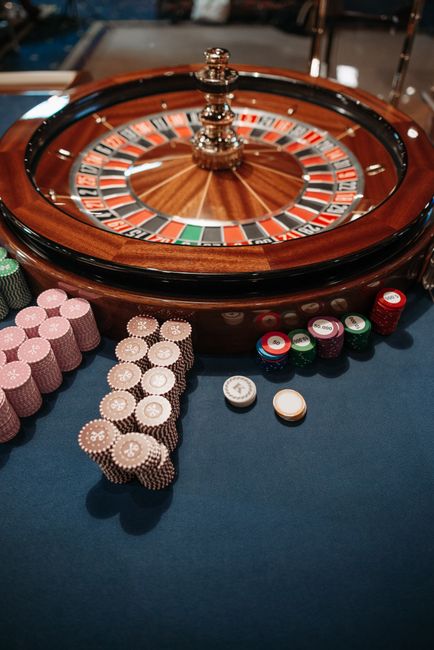
- European Roulette: 2.7%
- American Roulette: 5.26%
- Slots: 2% to 10% (depending on the game)
Why the difference? American roulette has an extra double-zero pocket, doubling the edge. Slots vary wildly because of RTP settings—some casinos set lower RTPs to increase profits. Always check the paytable or game info screen for the RTP.
Strategic players stick to games with edges under 2%. That means blackjack (with perfect strategy) and baccarat. But if you love slots, choose high-RTP titles and treat them as entertainment, not investment.
Bankroll Management: The Unsexy Skill That Saves You
You can have the best strategy in the world, but without bankroll management, you'll bust. The principle is simple: set a budget you can afford to lose, and stick to it.
Here's a system that works:
- Decide on a monthly gambling budget (e.g., $200).
- Divide it into session chunks ($40 per session).
- If you lose a chunk, stop. Don't re-buy.
- If you double a chunk, pocket half and play with the rest.
- Never chase losses with money you need for bills.
This approach does two things: it prevents catastrophic losses and keeps the experience fun. Gambling should never feel like a financial obligation.
The Future: Where iGaming Is Heading
Technology is reshaping the industry. Cryptocurrencies enable provably fair games, where players can verify outcomes. Virtual reality casinos are emerging, offering immersive environments. And AI is personalizing bonuses and game recommendations.
But the core will remain the same: chance, skill, and the thrill of the unknown. The house will always have an edge, but informed players can reduce it. They can recognize near-misses as manipulation, choose low-edge games, and manage their bankroll like a pro.
So next time you sit at a slot or join a poker table, remember: you're not just playing a game. You're navigating a carefully designed ecosystem. Play smart, play within your means, and never forget that the only guaranteed winner is the one who walks away when they've had enough.