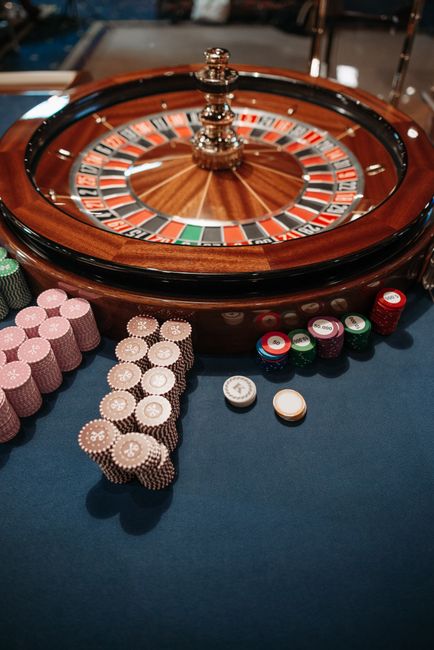


Walk into any sportsbook or casino forum and you'll hear the same tired line: "the house always wins." It's true in the aggregate, sure, but it's also the most boring way to look at an industry that generates over $80 billion in global revenue each year. People don't play slots, bet on football, or grind poker tournaments because they've done the math on expected value. They do it because the math is only half the story. The other half is psychology, skill, variance, and the simple thrill of not knowing what happens next. Let's dig into what actually makes iGaming tick in 2025 — and where the smart money goes.
Slots Aren't Dumb Anymore (If They Ever Were)
There's a persistent myth that slots are a mindless button-mashing exercise. Anyone who's spent an hour with a modern video slot from providers like Pragmatic Play, Nolimit City, or Hacksaw Gaming knows that's outdated. These games are engineered like miniature ecosystems. Volatility settings range from low (think 1x to 5x max wins) to extreme (50,000x potential), and choosing the right one for your bankroll is a genuine skill.
Here's a concrete example. If you're playing with a $100 bankroll and $1 spins, a high-volatility slot like San Quentin xWays might eat 300 spins without a single bonus trigger. A low-volatility slot like Starburst will pay back small amounts constantly but rarely explode. Neither is "better" — but matching volatility to your budget and patience level is the difference between a fun session and a rage-quit. 88CLB offers a practical breakdown of the topic.
- RTP matters, but less than you think. A 96% RTP slot loses you $4 per $100 wagered on average over millions of spins. Short sessions are dominated by variance, not RTP.
- Bonus buy features (paying 100x your bet for instant free spins) can be great or terrible depending on the slot's math. Always check the feature's RTP separately — some drop below 94%.
- Autoplay is a trap. It's not the feature that's dangerous; it's the way it lets you stop paying attention. Set a loss limit before you hit start.
Sports Betting: Where the Sharp Money Actually Lives
If you think betting on sports is just picking winners, you're playing checkers while the sharps play chess. Professional bettors don't care about who wins — they care about closing line value. That means betting a team at +150 when the line closes at +120. Win or lose that single bet, you made a mathematically correct decision.
The rise of prop betting and same-game parlays has democratized access, but it's also made books smarter. Modern odds algorithms adjust in real time based on sharp action, injury news, and even social media sentiment. So how do regular bettors compete? Fade the public. When 85% of tickets are on the Chiefs to cover a spread, the line often moves against them for a reason. That's not a coincidence — it's the book balancing its risk.
- Track your bets. Not in your head. Use a spreadsheet. After 200 bets, you'll see patterns (e.g., you're profitable on underdogs but terrible on favorites).
- Shop lines. The difference between -110 and -105 on 500 bets is thousands of dollars over a year.
- Ignore parlay hype. A 5-leg parlay at +2000 feels exciting but has a ~3% hit rate for most bettors. Straight bets are boring and profitable.
Poker: The Only Game Where You Play the Player
Slots and sports betting are you versus the house. Poker is you versus other humans, and that changes everything. The house takes a rake (typically 5% up to $3 per pot at live $1/$2 tables), but the edge comes from exploiting opponents' mistakes. In 2025, the online poker landscape is more polarized than ever: micro-stakes are soft but raked heavily, while high-stakes games are populated by solver-trained regulars who might as well be robots.
For recreational players, the sweet spot is low-stakes tournaments (MTTs) and sit-and-gos. Why? Because recreational players make massive ICM mistakes near the bubble. They fold too tight when they should shove, or call off 20 big blinds with Ace-Jack because they're "pot committed." Learning basic push/fold charts from tools like HoldemResources or ICMIZER can give you a bigger edge than fancy bluffing.
A Quick Reality Check on Poker Variance
Even a winning player with a 5bb/100 win rate can lose for 50,000 hands. That's not a bad streak — that's standard deviation. If you can't handle a 20 buy-in downswing without tilt, you're not bankrolled properly. The rule of thumb: 30 buy-ins for cash games, 100 buy-ins for tournaments. Anything less is gambling on top of gambling.
The Unspoken Skill: Bankroll Management
Every experienced iGaming player will tell you the same thing — bankroll management is 80% of the battle. It's not sexy. It doesn't make for good YouTube content. But it's the reason some people survive years in the industry while others bust in a weekend.
- Separate your bankroll from your life roll. Money you need for rent is not a bankroll.
- Set stop-losses and stop-wins. Yes, stop-wins. If you're up 50% on the day, walk away. Variance cuts both ways.
- Track everything. Deposits, withdrawals, bonuses, rakeback. You'd be shocked how many "break-even" players are actually down 15% because they forgot about the casino's 3% deposit fee.
Bonuses, Ethics, and the Fine Print Nobody Reads
Welcome bonuses look generous until you read the terms. A 100% match up to $500 with a 40x wagering requirement means you need to bet $20,000 before withdrawing a cent. And many slots only contribute 20% toward that requirement. Do the math before you claim anything. 88 CLB goes into the finer points.
On the ethics side, the industry is slowly shifting. Responsible gambling tools like deposit limits, session timers, and self-exclusion are now mandatory in most regulated markets (UKGC, MGA, and increasingly US states). Use them. There's no shame in setting a $200 monthly deposit cap. The shame is pretending you don't need one.
The Bottom Line: Play the Long Game
iGaming in 2025 is not a get-rich-quick scheme. It's an entertainment product with a negative expected value for most participants. But for those who treat it like a hobby with clear boundaries — and who take the time to understand volatility, line value, and bankroll math — it can be a genuinely rewarding pastime. The smartest players aren't the ones chasing jackpots. They're the ones who know when to walk away, which games give them the best shot, and why the house edge is just the price of admission. Everything else is noise.